Richard Saunders, Phnom Penh
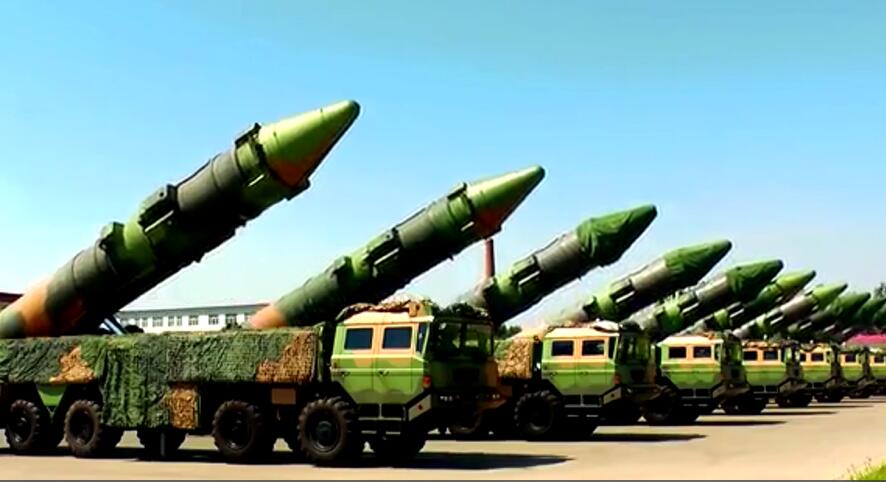
Taiwan’s skies recently saw an unexpected pause in Chinese military activity that left defense observers guessing. For nearly two weeks, no People’s Liberation Army (PLA) aircraft were recorded flying near the island—a rare silence in what has become a near-daily pattern of incursions.
According to Taiwan’s defense ministry, Chinese warplanes resumed operations on Thursday, with five aircraft detected around the Taiwan Strait in the past 24 hours. Several approached the median line that separates Chinese and Taiwanese airspace. It marked the end of what analysts describe as the longest break in Chinese air activity since Taiwan began publicly reporting such movements in 2020.
“This is unlike anything we’ve seen in recent years,” said Ben Lewis, founder of PLATracker, which monitors Chinese military maneuvers in the region. “Since 2020, Chinese flights have steadily increased—until this sudden lull.”
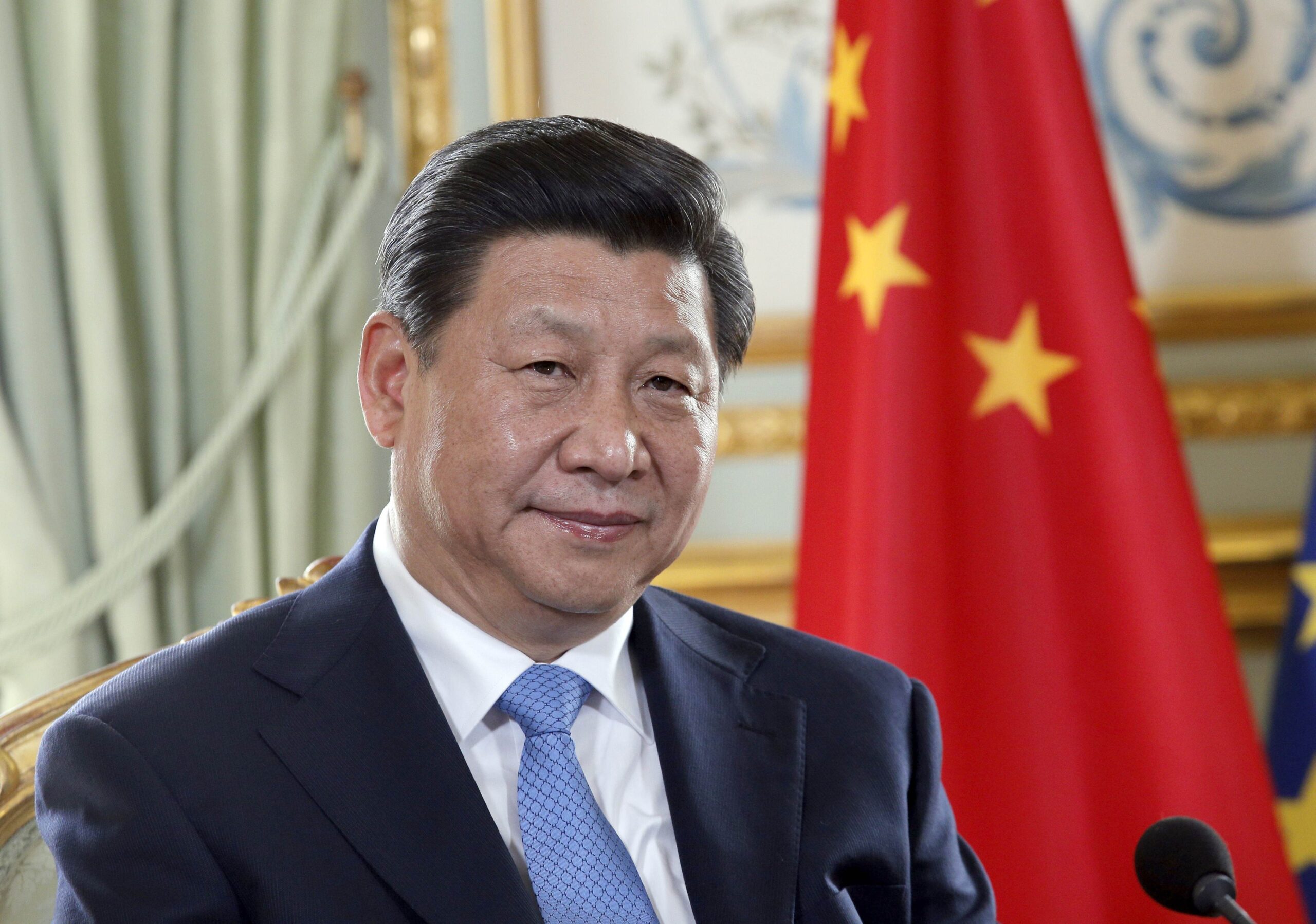
Between February 27 and March 10, Taiwan reported 13 consecutive days without any Chinese warplanes in its air defense identification zone (ADIZ), except for a brief detection of two aircraft on March 6 in the southwestern sector. The sudden quiet prompted multiple theories. Some experts suggest Beijing may have temporarily stood down to avoid raising tensions ahead of a planned meeting between Chinese President Xi Jinping and former U.S. President Donald Trump, expected to address trade, technology, and Taiwan. Others point to China’s “Two Sessions” political meetings, which sometimes coincide with slower military tempos.
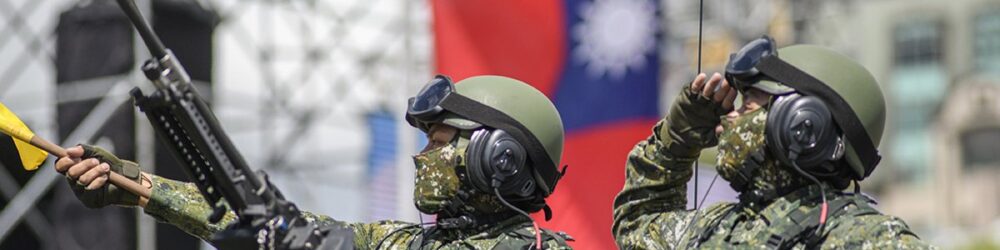
Taiwan’s defense minister Wellington Koo warned against drawing firm conclusions, noting that Chinese naval operations around Taiwan have continued without interruption. “Naval patrols remain active, and Beijing’s attempts to treat the Taiwan Strait as its internal waters have not stopped,” Koo said.
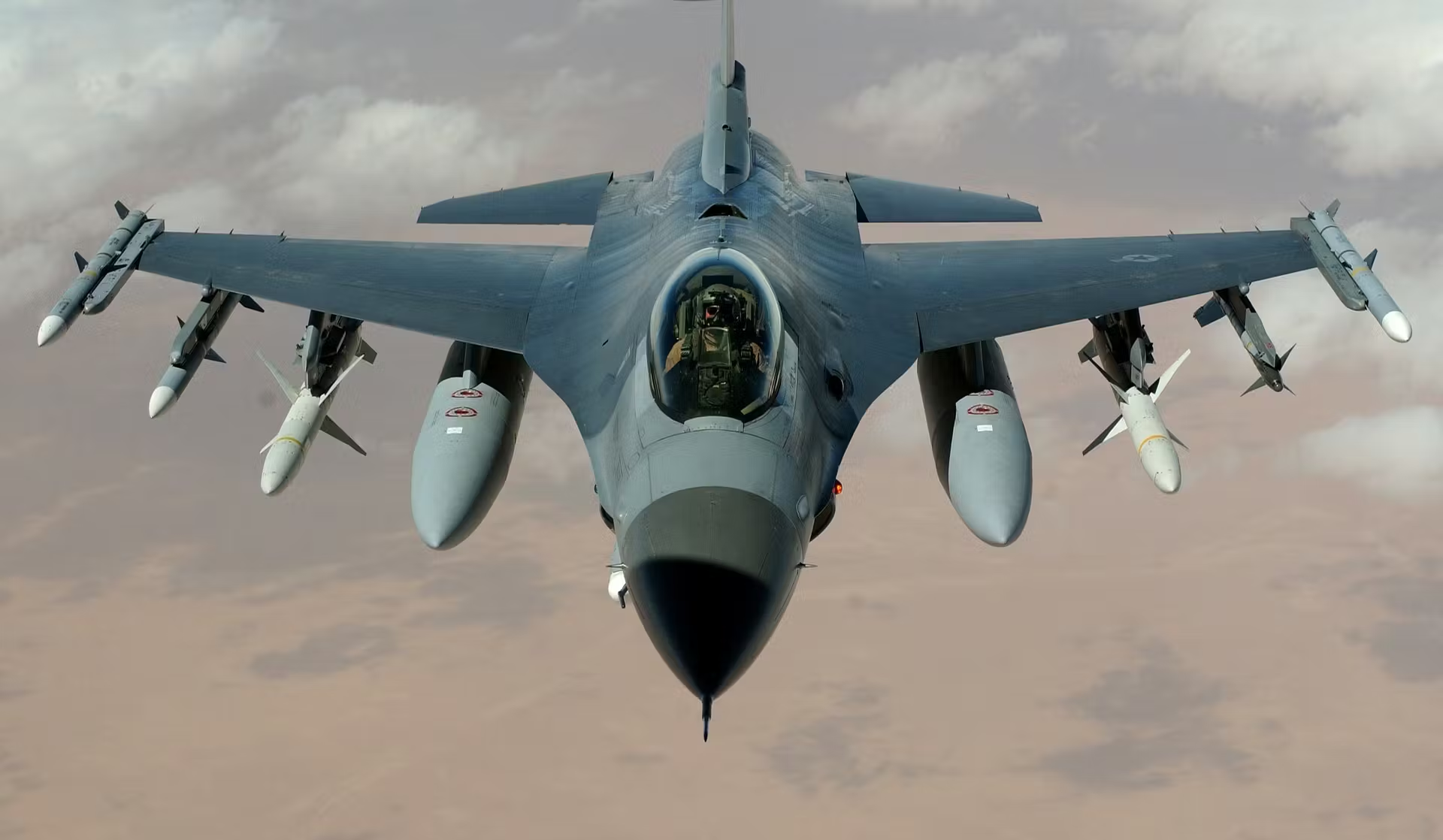
Analysts also noted that the limited PLA flights that reappeared on Thursday may have been dispatched to observe a U.S. Navy P-8 surveillance aircraft crossing the Taiwan Strait. Washington described the flight as part of its commitment to maintaining a “free and open Indo-Pacific.” Still, the Chinese response was muted compared to past transits.
Over the past five years, Beijing has steadily ramped up military pressure on Taiwan, with frequent air patrols designed to erode the island’s sense of normalcy. Given that backdrop, the lack of activity was as striking as its resumption.
“Once, five aircraft would have made headlines,” Lewis remarked. “Now, it’s their absence that stands out.”
For now, experts say the reason behind the two-week silence remains unclear—and all eyes are back on the skies to see what happens next.