Richard Saunders, Taipei
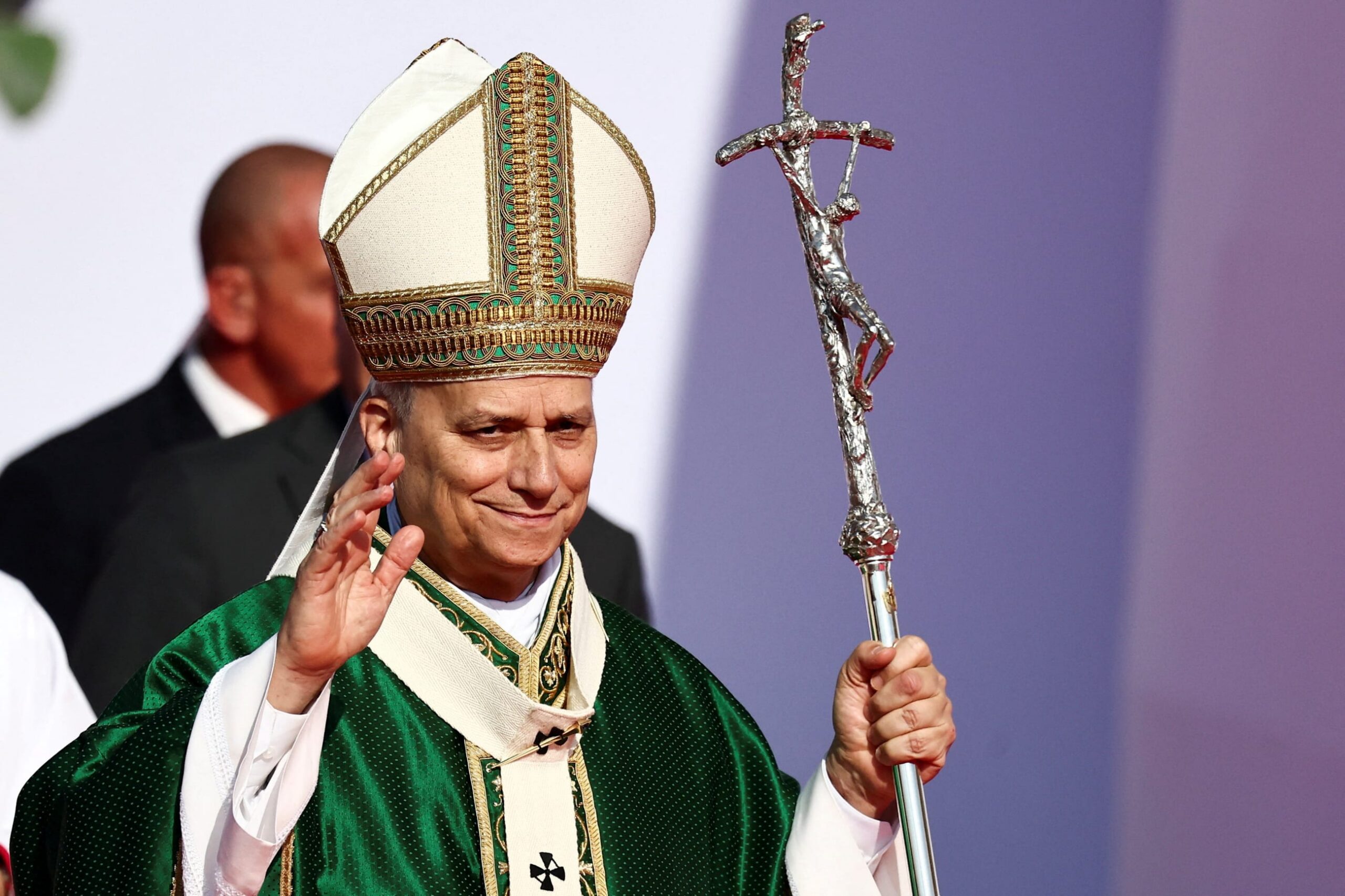
Delivering a solemn Palm Sunday message yesterday, Pope Leo XIV condemned those who wage war or exploit religion to justify violence, declaring that God is the “King of Peace” who does not heed the prayers of aggressors. His words reverberated across continents as conflicts continue to scar nations from the Middle East to Asia.
The Pope’s remarks came amid the ongoing U.S.-Israeli war against Iran and Russia’s relentless assault on Ukraine, both of which have inflicted immense suffering on civilians also Southeast Asia, where Thailand and Cambodia face simmering disputes and political instability, warning that even unresolved tensions can spiral into destructive conflict.
Beyond these regions, the Pope’s call for peace resonates in South Asia, where Pakistan and Afghanistan continue to grapple with violence, insurgency, and instability. His message underscores the urgent need for dialogue and reconciliation in places where cycles of conflict have persisted for decades.
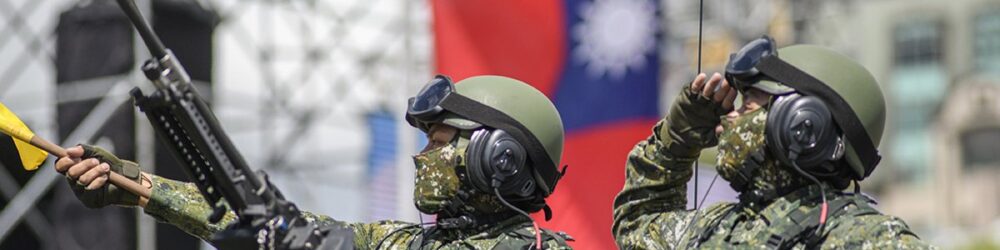
For Catholics in Taiwan and mainland China, the Pope’s words carry a special weight. Many pray that war will never erupt across the Taiwan Strait, a region marked by geopolitical tension. Taiwanese Catholics hope for continued freedom and peace, while mainland Chinese Catholics—despite restrictions—share the same wish: that faith unites rather than divides, and that violence never overshadows their spiritual lives.
The Pope’s condemnation serves as both a moral anchor and a global call to action. Leaders are urged to prioritize dialogue over aggression, while believers are reminded to embody peace in their daily lives. His message unites Catholics worldwide in a single hope—that peace, not war, defines the future.