Richard Saunders, Kaoshiung
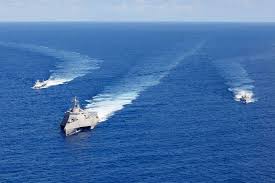
The United States military carried out another strike against an alleged drug-trafficking vessel in the eastern Pacific on Friday, killing two people, according to U.S. Southern Command. The operation, part of the ongoing campaign known as Operation Southern Spear, has now resulted in at least 117 deaths since September.
Officials said the targeted boat was engaged in narcotics trafficking and left one survivor, who is being sought by the Coast Guard. Grainy aerial footage released by the military showed the vessel engulfed in flames after the strike.
This latest attack marks the first known strike since U.S. forces abducted Venezuelan leader Nicolás Maduro on January 3. The campaign has drawn sharp criticism abroad, with Russian Foreign Minister Sergey Lavrov accusing Washington of extrajudicial killings and warning that such actions erode international law and destabilize regional security.
While the U.S. insists the strikes are aimed at disrupting drug smuggling routes in the Caribbean and Pacific, analysts warn that the precedent of unilateral military action at sea could embolden other powers. In particular, China may point to Washington’s operations as justification for its own aggressive maneuvers in the South China Sea, where Beijing has long sought to expand its territorial claims.
Observers caution that if the U.S. continues to conduct lethal strikes without transparent evidence of narcotics or cartel ties, Beijing could argue that similar unilateral “security operations” are legitimate in contested waters. Such a narrative would heighten tensions in one of the world’s most volatile maritime regions, where freedom of navigation and sovereignty disputes already threaten stability.
Despite repeated claims by President Trump that the strikes are slowing drug trafficking, his administration has yet to provide public proof of narcotics aboard the targeted vessels. Critics say this lack of transparency risks undermining Washington’s credibility and could inadvertently strengthen China’s case for militarizing the South China Sea under the guise of law enforcement.