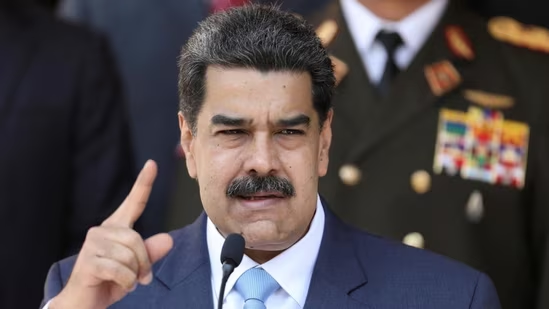
Richard Saunders, Macau — The U.S. military intervention in Venezuela in January 2026 — codenamed Operation Absolute Resolve — reverberated well beyond Latin America, prompting close scrutiny in Taipei and across Asia. By capturing President Nicolás Maduro and striking key targets in Caracas, Washington not only reshaped Venezuela’s political landscape but also redrew the boundaries of major-power influence in the Western Hemisphere.
For Taiwan, the episode stands as a vivid reminder of how hard power and geopolitical signaling interact in an increasingly multipolar world. The United States’ bold action demonstrated its willingness to act decisively in its own neighborhood — a move with implications for global perceptions of deterrence, sovereignty, and alliance credibility.
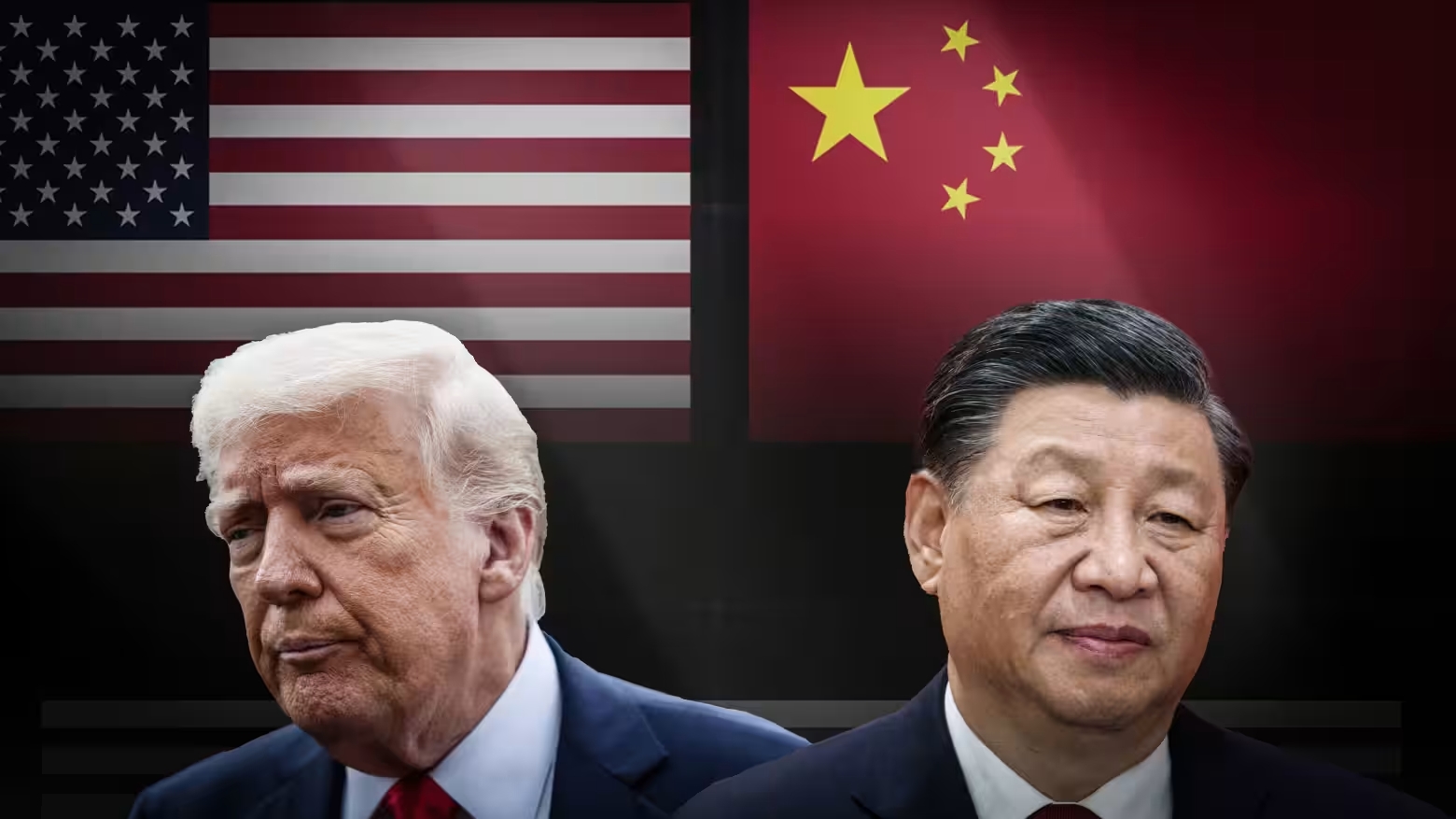
Beijing’s response underscored the limits of its global reach. While Chinese officials condemned the operation as a violation of international law, branding it “destabilizing” and “hegemonic,” the reaction stopped short of confrontation. China refrained from economic retaliation or military threats, opting instead for diplomatic protests and calls for restraint. The aim was clear: to protect extensive Chinese investments in Venezuela without provoking a direct clash with the United States in a region long considered America’s strategic backyard.
This restraint revealed both the strengths and the vulnerabilities of Beijing’s Latin America strategy. Over two decades, China had built deep economic and political ties with Caracas — including billions in oil-backed loans, infrastructure projects, and military sales. Yet, in avoiding any military entanglement, Beijing also accepted the enduring dominance of U.S. power in the hemisphere.
The collapse of the Maduro government and subsequent U.S. control over Venezuelan oil exports now threaten China’s advantageous energy arrangements. Washington’s new market-based terms have eroded Beijing’s preferential access to Venezuelan crude and weakened its leverage over debt recovery. Analysts in Taipei note the parallels with U.S.-China competition in Asia: Washington’s combination of strategic assertiveness and economic leverage is testing Beijing’s ability to protect far-flung interests.
The 2025 U.S. National Security Strategy, which prioritizes the Western Hemisphere as a secure and exclusive strategic zone, echoes a modernized Monroe Doctrine. Its logic resonates beyond Latin America, suggesting a broader push to reinforce U.S. spheres of influence and to constrain China’s expansion — whether in the Caribbean or the South China Sea.
For Beijing, the Venezuelan setback marks a sobering moment. Despite years of rhetoric about “mutual development” and “partnership,” China’s ability to project power remains limited when confronting U.S. military and geopolitical dominance far from home. Nevertheless, Chinese policymakers are unlikely to retreat from Latin America entirely. Instead, they are expected to pivot toward larger regional economies such as Brazil and Mexico, doubling down on financial and trade diplomacy while avoiding overt strategic confrontation.
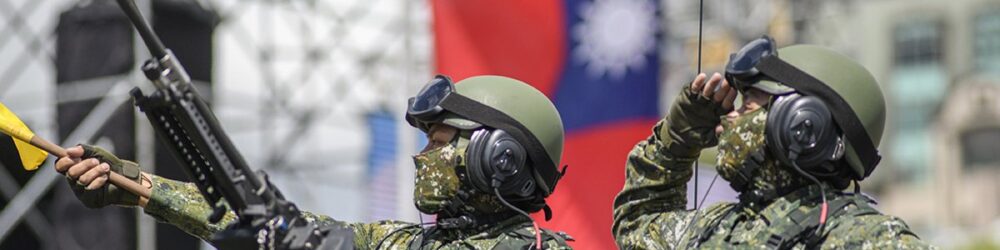
From Taipei’s perspective, Operation Absolute Resolve offers both warning and insight. It shows how Washington can act unilaterally and decisively when its core interests are at stake — a reality that reinforces U.S. credibility as a security partner, but also highlights the risks of great-power rivalry spilling over into contested regions.
As global power becomes increasingly defined by negotiated influence rather than universal dominance, both the United States and China are recalibrating where to press forward — and where to hold back. The outcome in Venezuela may reshape not only Latin America’s trajectory, but also the emerging balance of power that Asia, too, must navigate in the decade ahead.