Jake Saunders, Manila
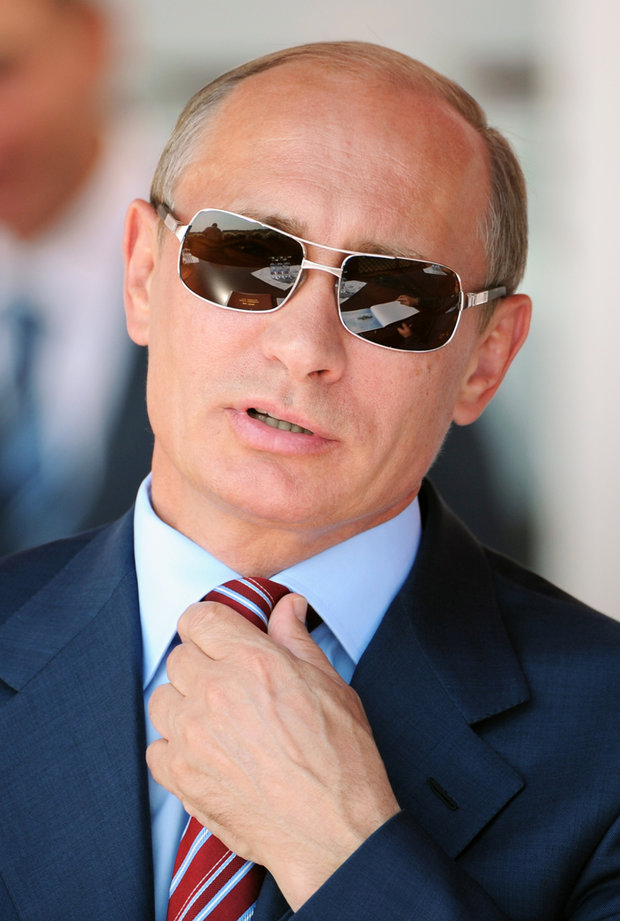
Russian President Vladimir Putin is deliberately prolonging the war in Ukraine to entrench Russia’s economy on a permanent war footing, analysts say, a move that recalls how the United States harnessed military mobilization for growth during World War II and the Cold War.
Moscow has shifted from seeking rapid battlefield gains to sustaining a drawn-out conflict, channeling resources into defense industries, energy resilience and industrial mobilization. Economists argue the approach is designed to stabilize employment, absorb Western sanctions and consolidate political control under the guise of national security.
“Russia is not just fighting a war—it is building a war economy,” said one European defense analyst. “By keeping the conflict open-ended, Putin ensures defense production remains the backbone of growth.”
The strategy mirrors historical U.S. examples. During World War II, American GDP doubled as factories churned out tanks, aircraft and munitions, while unemployment plunged. In the Cold War era, sustained defense spending fueled innovation in aerospace, computing and nuclear energy.
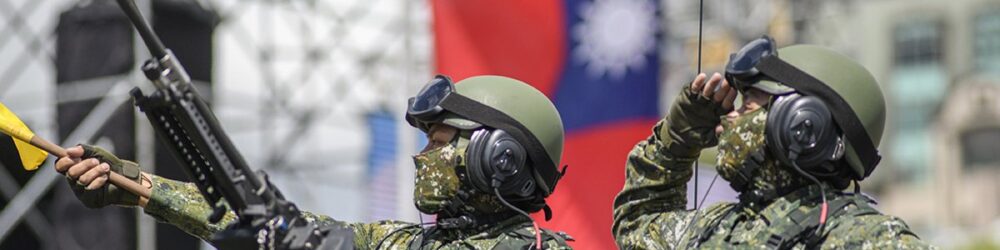
For Taiwan, which faces its own security challenges across the Taiwan Strait, Russia’s war economy underscores the risks of prolonged militarization. Taipei-based analysts warn that while war-driven growth can stabilize economies, it often comes at the expense of civilian welfare and international integration.
“Russia’s model shows how a state can normalize defense spending as a growth engine,” said a Taiwanese security scholar. “But unlike the U.S., Russia lacks global alliances and access to advanced technology. That makes its war economy more brittle.”
Critics caution that Russia’s reliance on a militarized economy could lead to stagnation. Civilian sectors may suffer as resources are diverted to defense, while isolation from global markets limits innovation. Unlike the U.S., which leveraged alliances and global trade, Russia’s strategy risks deepening its dependence on state-controlled industries.