Richard Sanders
As geopolitical tensions rise in East Asia, Taiwan is taking a closer look at Ukraine’s wartime resilience, prompting a national debate over whether the island should adopt a more decentralized, militia‑style defense model. Analysts say the comparison is instructive—but not straightforward.
Ukraine’s experience since Russia’s full‑scale invasion in 2022 has become a global case study in whole‑of‑society resistance. Its Territorial Defense Forces, volunteer battalions, and civilian networks played a decisive role in slowing Russian advances, particularly in urban areas. Years of conflict since 2014 had already conditioned Ukrainian society for crisis, creating a culture of preparedness that extended far beyond the military.
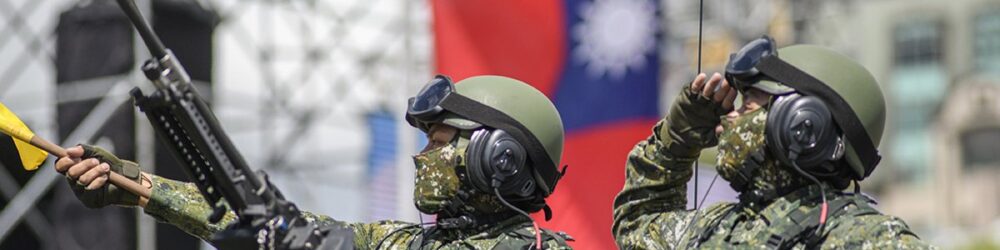
Taiwan, by contrast, faces a different set of challenges. While the island maintains a capable standing military, experts argue that its civil society remains less psychologically prepared for a major conflict. Civil‑defense training exists but is fragmented, and volunteer organizations focus primarily on first aid, disaster response, and information security rather than armed resistance. Government reforms have strengthened reserve mobilization, but participation remains limited.
Geography further complicates the comparison. Ukraine’s vast land borders allowed for continuous resupply, foreign aid, and the movement of volunteers. Taiwan, an island with dense urban centers and limited evacuation routes, would likely face immediate isolation in a conflict scenario. Analysts warn that urban warfare in Taiwan could be more destructive and logistically challenging, with disruptions to power, water, and communications affecting the entire population at once.
These realities have fueled debate over whether Taiwan should adopt a Ukraine‑style territorial defense system. Supporters argue that community‑based defense networks would strengthen national resilience and complicate any invasion. Critics counter that Taiwan’s strict gun laws, population density, and risk of internal panic make armed militias impractical. Many experts instead advocate a hybrid approach: stronger reserves, expanded civil‑defense training, and a population better prepared for crisis—without replicating Ukraine’s armed volunteer model.
For now, Taiwan’s civil‑defense ecosystem continues to grow, driven by both government reforms and grassroots initiatives. But analysts agree that the island’s greatest challenge is psychological readiness. As one Taipei based defense scholar put it, “Ukraine showed the world what a mobilized society can do. Taiwan must decide what version of that model fits its own reality.”