Richard Saunders, KL
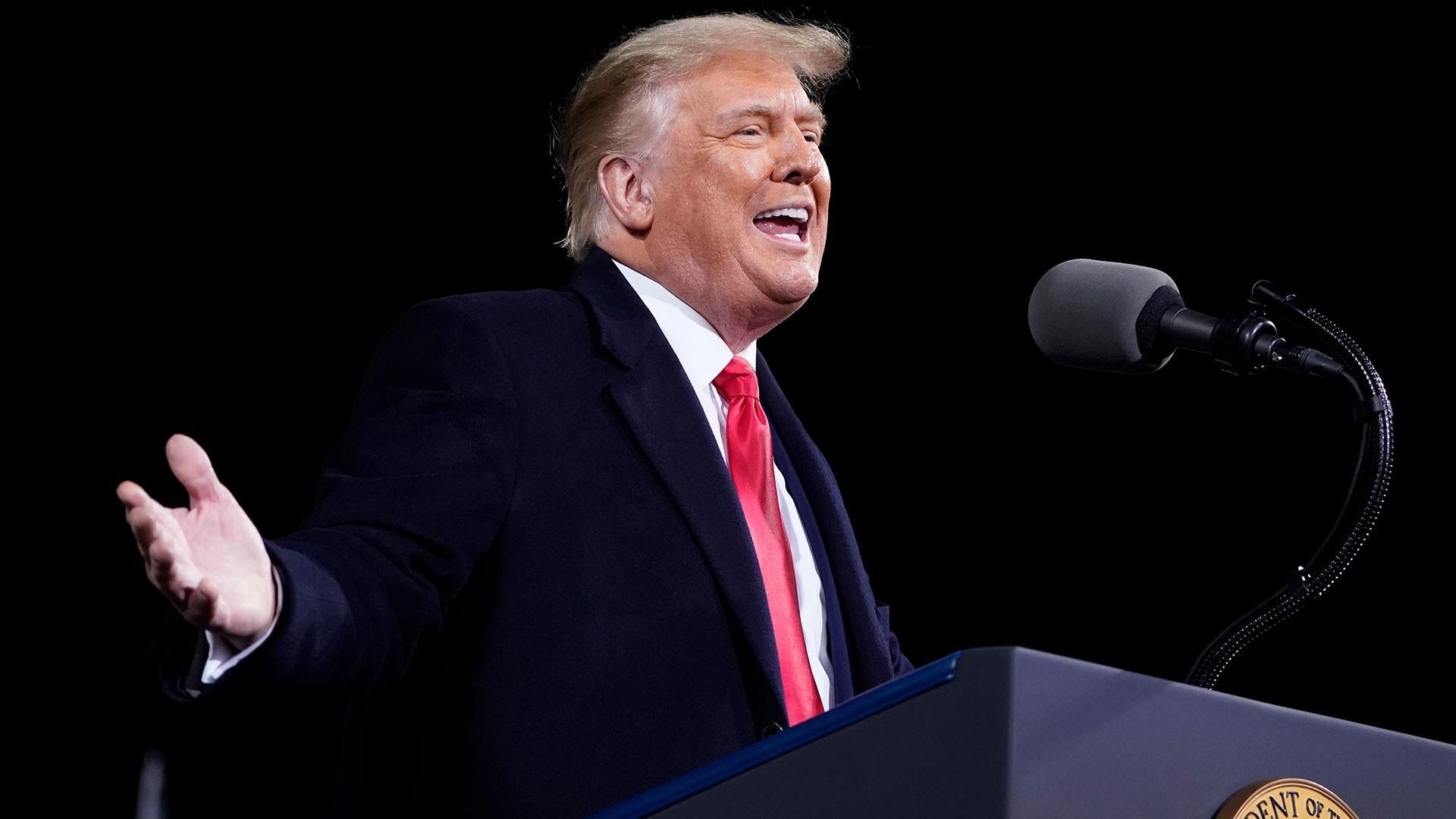
Last week, President Donald J. Trump declared a national emergency targeting the Government of Cuba, citing the regime’s alliances with hostile nations and its support for terrorist groups as a direct and extraordinary threat to the national security and foreign policy of the United States.
In a sweeping executive order issued Friday, President Trump accused the Cuban government of “hosting dangerous adversaries” — including Russia, China, Iran, Hamas, and Hezbollah — and facilitating their intelligence, military, and security operations in the Western Hemisphere. The order alleges that Cuba provides safe haven and logistical support to groups and nations that “seek to destroy the United States” and destabilize the region.
“The Cuban regime continues to align itself with hostile powers, spread communist ideology, and repress its own people,” the President said in the order. “The United States will act decisively to protect its security and uphold freedom and democratic values.”
New Tariff Framework to Punish Oil Suppliers
The executive order introduces a new system of tariffs targeting any foreign nation that supplies oil to Cuba, either directly or indirectly. Under the plan, countries found to be selling or providing oil to Cuba could face additional import duties on goods shipped into the United States.
The Secretary of Commerce, working with the Secretaries of State, Treasury, and Homeland Security, is tasked with determining which nations fall under the order’s provisions and setting appropriate tariff levels. The aim, officials said, is to deprive the Cuban regime of vital oil resources and pressure its international backers.
The order takes effect January 30, 2026, at 12:01 a.m. Eastern Standard Time.
Cuba’s Alleged Role in Regional Destabilization
The document outlines a series of accusations against Cuba’s communist government, including hosting Russia’s largest overseas signals intelligence base, sharing defense technology with China, and providing assistance to “malign actors” that undermine sanctions and disrupt regional peace.
The White House further accused Havana of human rights abuses, such as the persecution of political dissidents, suppression of free speech, and violent retaliation against protesters and families of political prisoners.
According to the order, “Cuba’s continuing export of communist ideology and repression of its people conflict with America’s commitment to democracy, the rule of law, and respect for human rights.”
Monitoring and Future Actions
The order calls for continuous monitoring by the Secretaries of State and Commerce, who are directed to recommend additional actions if the initial measures prove insufficient. It also allows for modifications to the order should Cuba or any affected nation retaliate — or, conversely, if the Cuban government shows meaningful improvements in aligning with U.S. security and foreign policy objectives.
International Implications
While the administration has not specified which nations may be affected by the new tariffs, energy analysts say the order could have significant implications for countries that continue to provide oil to Cuba, including Russia and Venezuela.
The move represents one of the Trump administration’s most aggressive steps toward tightening economic pressure on the island nation since diplomatic relations deteriorated in recent years.
Commitment to the Cuban People
Despite the sharp escalation in policy, the president emphasized that the measures target the Cuban leadership, not its citizens.
“The United States remains committed to the Cuban people’s aspirations for a free and democratic society,” the order states.