Justin Wong, staff writer
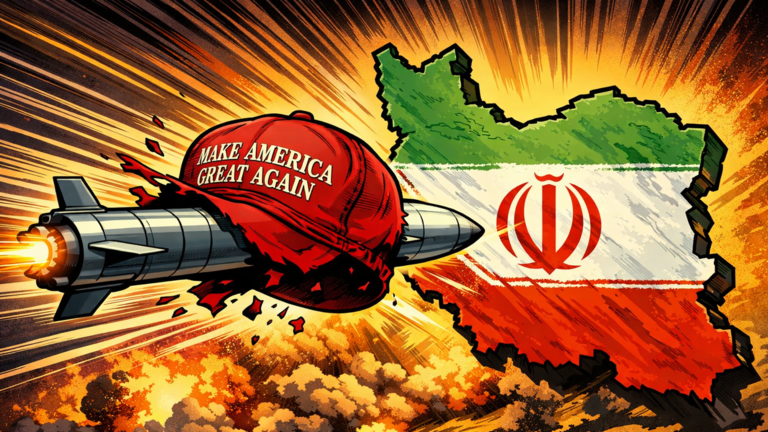
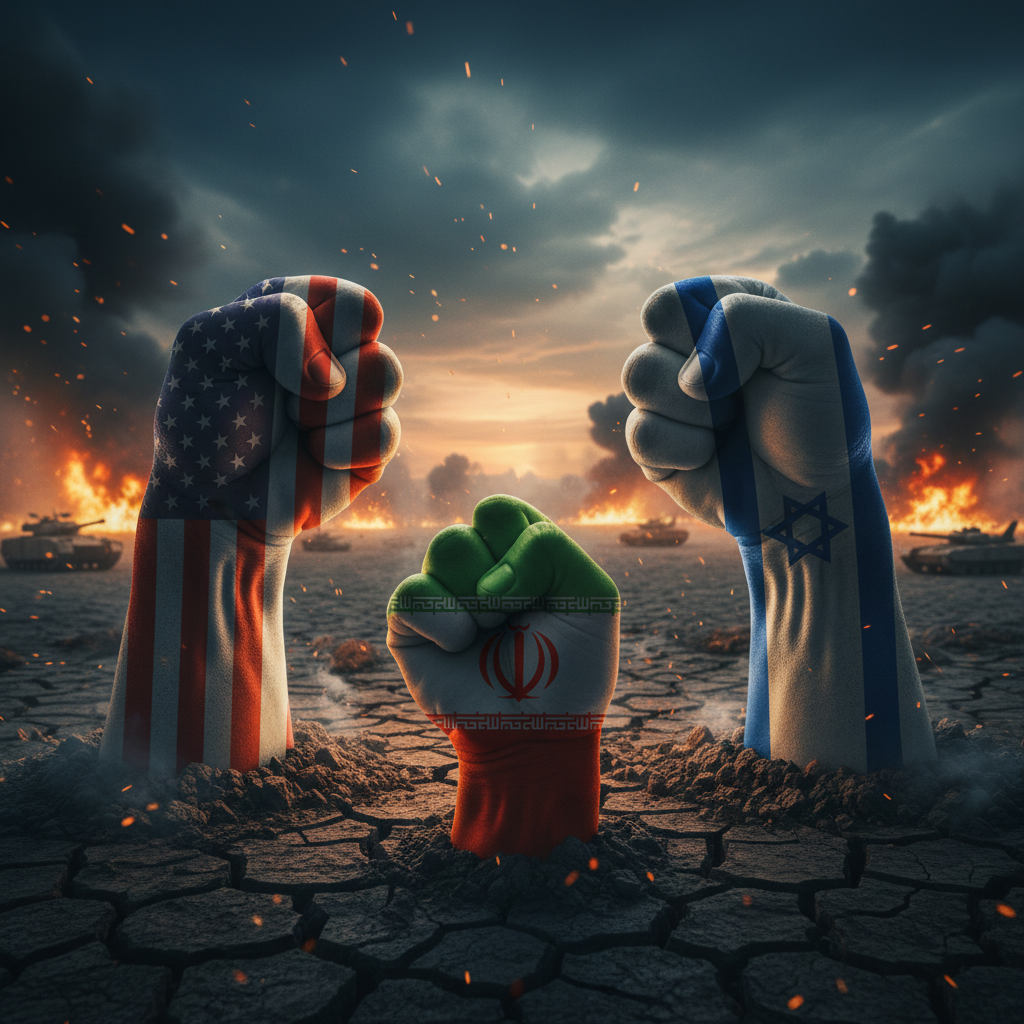
The war that erupted on February 28, 2026, following U.S.–Israeli strikes on Iranian infrastructure, has rapidly escalated into a global energy crisis. Iran retaliated by closing the Strait of Hormuz, halting nearly 20 million barrels per day of oil shipments—about a quarter of global seaborne trade. In response, President Trump ordered the U.S. Navy to “shoot and kill” Iranian boats attempting to mine the strait, effectively enforcing a blockade that has intensified the standoff and shut down one of the world’s most vital energy arteries.
The strategic consequences extend far beyond Iran. The blockade has strained U.S. relations with major energy consumers, particularly China and India. Roughly 98% of Iranian oil exports are destined for China, making Beijing a collateral target of Washington’s pressure campaign. Nearly 45% of China’s crude imports pass through Hormuz, underscoring its vulnerability. While China maintains over 100 days of oil reserves—estimated at 1.3 to 1.4 billion barrels—and has diversified imports through Russia, Central Asia, and Myanmar pipelines, its reliance on Gulf energy remains acute. The situation is even more precarious for natural gas: China absorbs 26% of Qatari LNG exports, all of which transit Hormuz, leaving few alternatives.
Analysts argue that Washington’s strategy of leveraging energy chokepoints to pressure Beijing has backfired. Instead of weakening China, the prolonged conflict has exposed U.S. overextension and allowed Beijing to present itself as a stabilizing force. China has adopted an “active neutral” stance—condemning aggression, abstaining from UN votes, and advocating for peace talks. This positioning enhances its credibility as a potential mediator and Gulf security guarantor, while simultaneously criticizing the U.S. blockade as “dangerous and irresponsible.”
The conflict highlights three critical dynamics: the Strait of Hormuz remains the world’s most sensitive energy chokepoint; U.S. strategy risks strengthening China’s global influence rather than diminishing it; and energy resilience—through reserves and diversification—has become central to geopolitical power. As the war drags on, the balance between military pressure and energy security is reshaping the global order.