Jake Saunders, Zamboanga
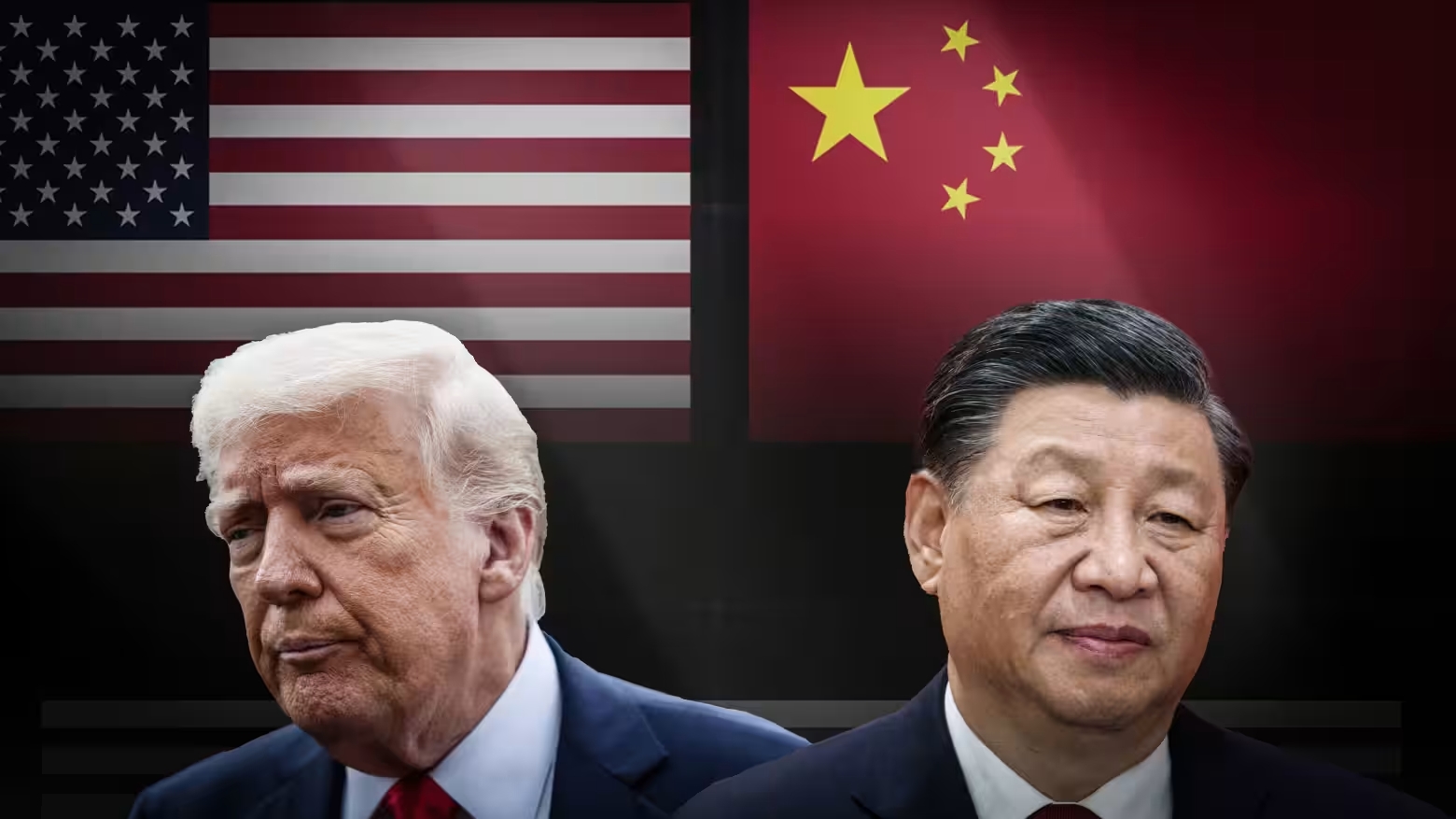
Chinese President Xi Jinping arrived in Washington on Wednesday for a three-day visit that opened with an unusually grand reception from US President Donald Trump, underscoring both sides’ desire to stabilise relations even as core differences—particularly over Taiwan—remain unresolved.
Trump personally greeted Xi and his wife, Peng Liyuan, upon their arrival at Joint Base Andrews. The elaborate welcome featured a 100-foot red carpet, a 21-member honour guard, military units, the playing of both national anthems and a flypast by two B-1 bombers. Trump removed one glove to shake hands with Xi and exchanged brief remarks before accompanying the couple.
The high-profile reception coincided with an announcement by US Treasury Secretary Scott Bessent that Washington and Beijing had agreed to extend their trade truce until 10 January. The deal maintains a freeze on new trade restrictions while the two sides continue talks on tariffs, China’s exports of critical minerals and its purchases of American agricultural products. Bessent said the extension would give Trump and Xi more time to address outstanding issues at upcoming international meetings.
Trade remains a central flashpoint, alongside artificial intelligence, Iran and Taiwan—issues that Taipei continues to monitor with particular attention. In a statement after landing, Xi said China and the United States “should be partners, not rivals,” claiming that China’s pursuit of national rejuvenation and Trump’s “Make America Great Again” agenda could advance together and benefit both countries.
The lavish welcome drew criticism from some Republicans. Senator Roger Wicker questioned the “lavish” nature of the reception, while former US diplomat Danny Russel warned that the ceremony risked handing Beijing a propaganda win.
Substantive talks are expected to begin on Thursday, covering trade and broader strategic matters. The schedule includes a formal White House ceremony, a military review and a black-tie dinner attended by leading technology executives. The visit is due to conclude on Friday with a private tea at the White House and a joint tour of the National Archives by Xi, Peng, Trump and First Lady Melania Trump.
For Taiwan, the optics of the visit and any outcomes on trade or security will be scrutinised for signals about the durability of US commitments in the region and the limits of Washington-Beijing accommodation.