Richard Saunders, Associate Editor
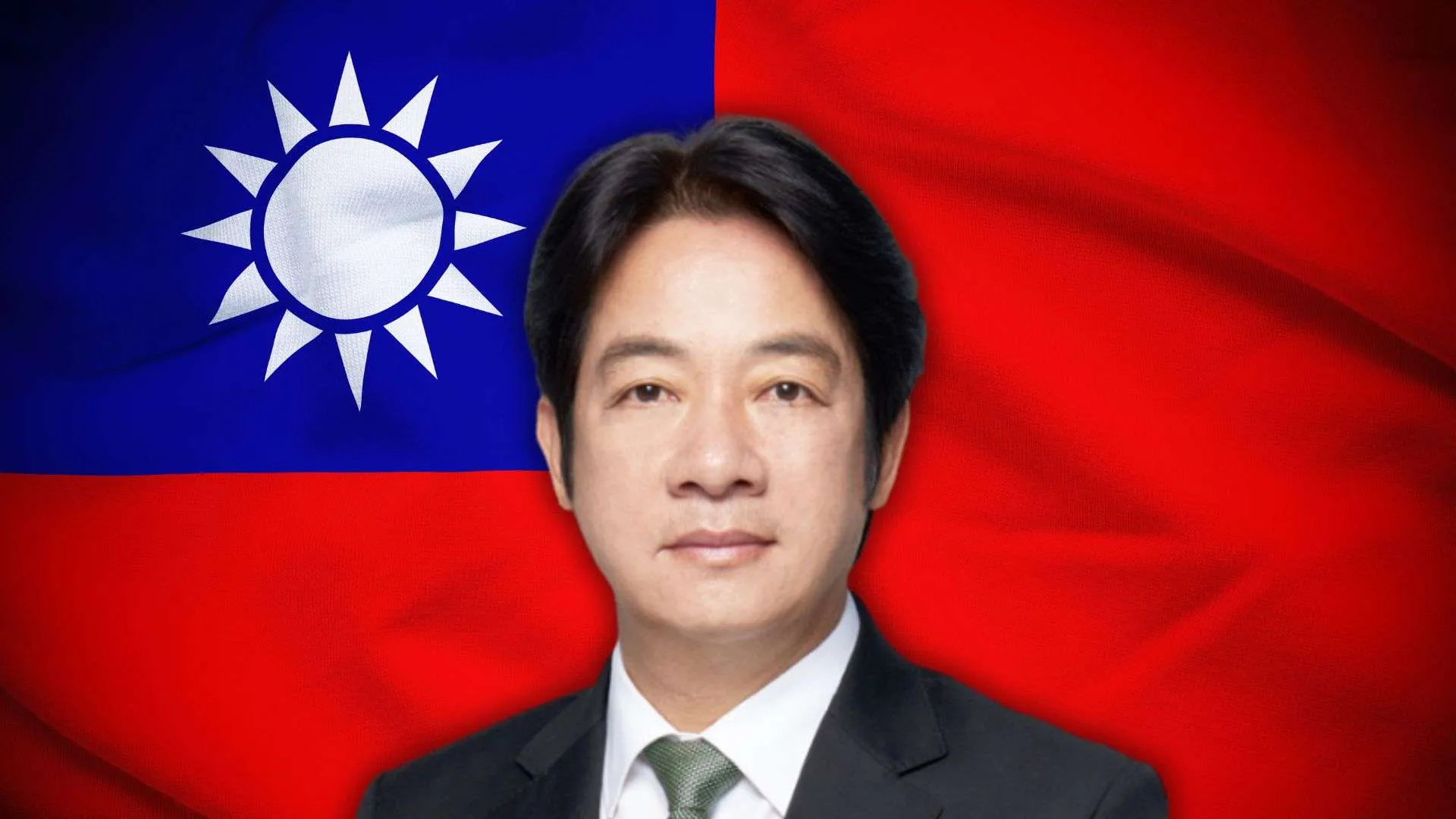
President William Lai announced a comprehensive roadmap for expanded economic ties between Taiwan and the United States, highlighting three core pillars: economic security, innovation, and future prosperity. Lai’s remarks follow the conclusion of the sixth US-Taiwan Economic Prosperity Partnership Dialogue (EPPD) held in Washington last week.
The latest round of EPPD talks, organized by the American Institute in Taiwan and the Taipei Economic and Cultural Representative Office in the United States, focused on collaboration in artificial intelligence, critical minerals, and strengthening semiconductor supply chains.
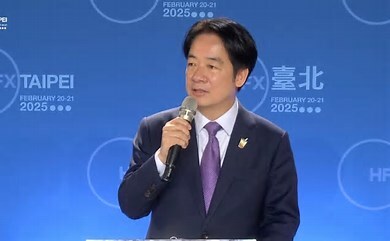
“Taiwan is confidently stepping onto the global stage and stands ready to work with democratic partners to usher in a new era of prosperity,” Lai said in Taipei.
Taiwan and the US recently reached a preliminary agreement on US tariff policies, setting a reduced 15 percent rate for Taiwanese products—avoiding additional tariffs on top of existing most-favored-nation rates. The agreement also ensures favorable treatment for semiconductors and related exports under US trade law. As part of deepening economic links, Taiwanese tech and energy firms are set to invest US$250 billion in the US, backed by up to US$250 billion in credit guarantees from the Taiwanese government to support these investments.
While the two countries have yet to formalize the agreement with a memorandum of understanding, Lai emphasized that tariff issues are just one part of broader efforts to deepen Taiwan-US strategic partnership through ongoing dialogue and cooperation.
Key areas addressed in the EPPD included securing supply chains, collaborating on critical minerals, and promoting both bilateral and third-country economic initiatives. Lai underscored the importance of building a “non-red supply chain” independent of China, especially for high-tech sectors like AI and semiconductors. This year’s dialogue also saw both sides endorse the US-led Pax Silica Declaration, aiming to safeguard advanced technology and mineral supply chains.
On fostering innovation, Taiwan and the US agreed to advance supply-chain security, streamline investment-related tax policies, and collaborate on drone certification. Lai noted that Taiwan’s manufacturing prowess and the US’s technological ecosystem make their partnership uniquely strategic.
The scope of cooperation now includes AI, digital infrastructure, drones, and critical minerals, marking the most wide-ranging and comprehensive EPPD to date, Lai said.
Looking forward, Taiwan aims to further align with international trade standards and boost global cooperation, with new agreements in discussion with countries across Southeast Asia, as well as renewed partnerships with the UK and Japan. Lai urged Taiwan’s legislature to review the new tariff agreement with the US impartially, to secure the progress made in recent trade discussions.Insert
Here’s a news article paraphrasing and summarizing the original report:
President Lai Outlines Strengthened Taiwan-US Economic Cooperation
President William Lai announced a comprehensive roadmap for expanded economic ties between Taiwan and the United States, highlighting three core pillars: economic security, innovation, and future prosperity. Lai’s remarks follow the conclusion of the sixth US-Taiwan Economic Prosperity Partnership Dialogue (EPPD) held in Washington last week.
The latest round of EPPD talks, organized by the American Institute in Taiwan and the Taipei Economic and Cultural Representative Office in the United States, focused on collaboration in artificial intelligence, critical minerals, and strengthening semiconductor supply chains.
“Taiwan is confidently stepping onto the global stage and stands ready to work with democratic partners to usher in a new era of prosperity,” Lai said in Taipei.
Taiwan and the US recently reached a preliminary agreement on US tariff policies, setting a reduced 15 percent rate for Taiwanese products—avoiding additional tariffs on top of existing most-favored-nation rates. The agreement also ensures favorable treatment for semiconductors and related exports under US trade law. As part of deepening economic links, Taiwanese tech and energy firms are set to invest US$250 billion in the US, backed by up to US$250 billion in credit guarantees from the Taiwanese government to support these investments.
While the two countries have yet to formalize the agreement with a memorandum of understanding, Lai emphasized that tariff issues are just one part of broader efforts to deepen Taiwan-US strategic partnership through ongoing dialogue and cooperation.
Key areas addressed in the EPPD included securing supply chains, collaborating on critical minerals, and promoting both bilateral and third-country economic initiatives. Lai underscored the importance of building a “non-red supply chain” independent of China, especially for high-tech sectors like AI and semiconductors. This year’s dialogue also saw both sides endorse the US-led Pax Silica Declaration, aiming to safeguard advanced technology and mineral supply chains.
On fostering innovation, Taiwan and the US agreed to advance supply-chain security, streamline investment-related tax policies, and collaborate on drone certification. Lai noted that Taiwan’s manufacturing prowess and the US’s technological ecosystem make their partnership uniquely strategic.
The scope of cooperation now includes AI, digital infrastructure, drones, and critical minerals, marking the most wide-ranging and comprehensive EPPD to date, Lai said.
Looking forward, Taiwan aims to further align with international trade standards and boost global cooperation, with new agreements in discussion with countries across Southeast Asia, as well as renewed partnerships with the UK and Japan. Lai urged Taiwan’s legislature to review the new tariff agreement with the US impartially, to secure the progress made in recent trade discussions.
This article provides a condensed and paraphrased news report based on the original coverage of President Lai’s comments and the outcomes of the recent Taiwan-US economic talks.