
Richard Saunders, Phnom Penh
In a significant development, China has issued a stern warning following a ruling by Panama’s Supreme Court that challenges the operations of a Hong Kong-backed company at the Panama Canal. The Chinese government has threatened that Panama could face serious political and economic consequences if the decision is not reversed.
The ruling, which deemed the concession held by Hong Kong-based CK Hutchison at the Panama Canal unconstitutional, has reignited tensions surrounding Chinese interests in this crucial maritime route. The canal is vital for global trade, handling approximately 40% of all U.S. container traffic annually.
CK Hutchison operates key ports at both ends of the canal through its Hutchison Ports division. In response to the court’s decision, Beijing’s office overseeing Hong Kong affairs released a strong statement, labeling the ruling as “truly shameful and pathetic” and accusing Panama of yielding to external pressures and economic coercion.
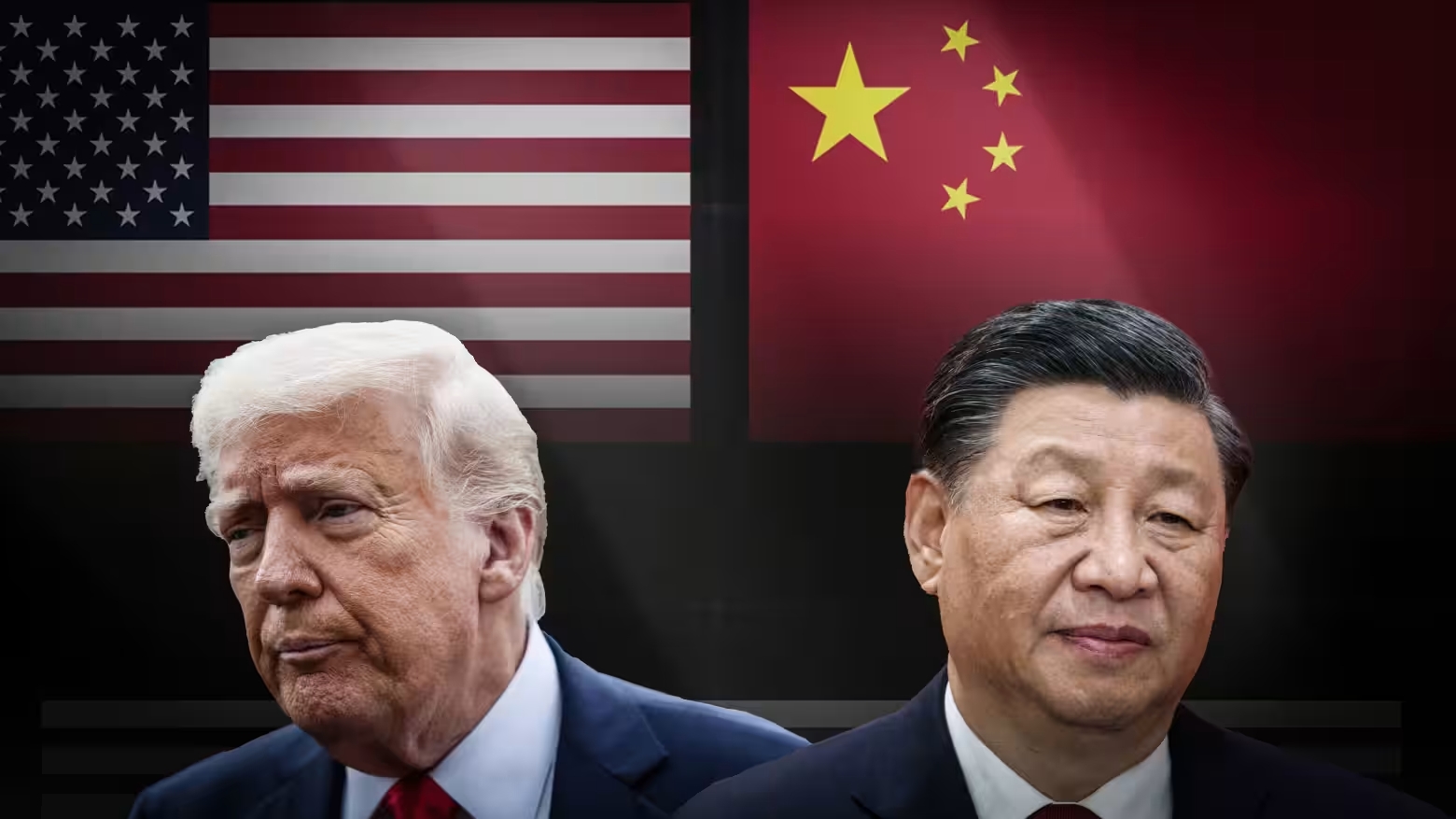
This incident highlights the ongoing geopolitical struggle between China and the United States, particularly as the Trump administration intensifies efforts to reduce Chinese influence in the Western Hemisphere. The Panama Canal has become a focal point in this power dynamic.
China has invested heavily in Latin America, establishing robust trade relations and embedding its state-owned enterprises in various sectors, including energy and telecommunications. The U.S. strategy aims to prevent non-Hemispheric competitors from controlling strategically important assets, with the Panama Canal being a key target.
Tensions escalated when President Trump claimed during his inauguration that “China is operating the Panama Canal,” prompting Panama to audit Hutchison Ports’ operations. Although Hutchison is not a state-owned enterprise, it is controlled by Hong Kong billionaire Li Ka-Shing and has defended its position amid growing scrutiny.
In a further setback for Beijing, Panama recently announced its withdrawal from Xi Jinping’s Belt and Road Initiative, which it had previously joined in 2017. This decision reflects the increasing pressure from the U.S. on Panama regarding its ties with China.
CK Hutchison has indicated plans to sell its interests in over 40 ports globally, including those near the Panama Canal, to a consortium led by U.S. firm BlackRock—a move that has been welcomed by the Trump administration. However, Beijing has asserted that it must review any asset sales involving the company, and the deal appears to have stalled following the court’s ruling.
In response to the court’s decision, Hutchison Ports’ Panama division has initiated arbitration proceedings against the Panamanian government, claiming the ruling is part of a broader campaign against its operations.
China’s economic leverage over Panama is significant, as it became the country’s largest trading partner in 2019, surpassing the U.S. In its latest statement, Beijing warned that Panama would face severe consequences for the ruling, which it claims could severely damage the nation’s business climate and economic growth.
As the situation unfolds, analysts suggest that China may consider various economic countermeasures to deter other countries in the region from following Panama’s lead. However, Beijing is likely to tread carefully, balancing its response to avoid undermining its image as a leader for emerging economies, especially in light of an anticipated visit from Trump later this spring.
The ongoing power struggle highlights the complexities of international relations in the region, with both China and the U.S. closely monitoring developments in Panama as they navigate their competing interests.