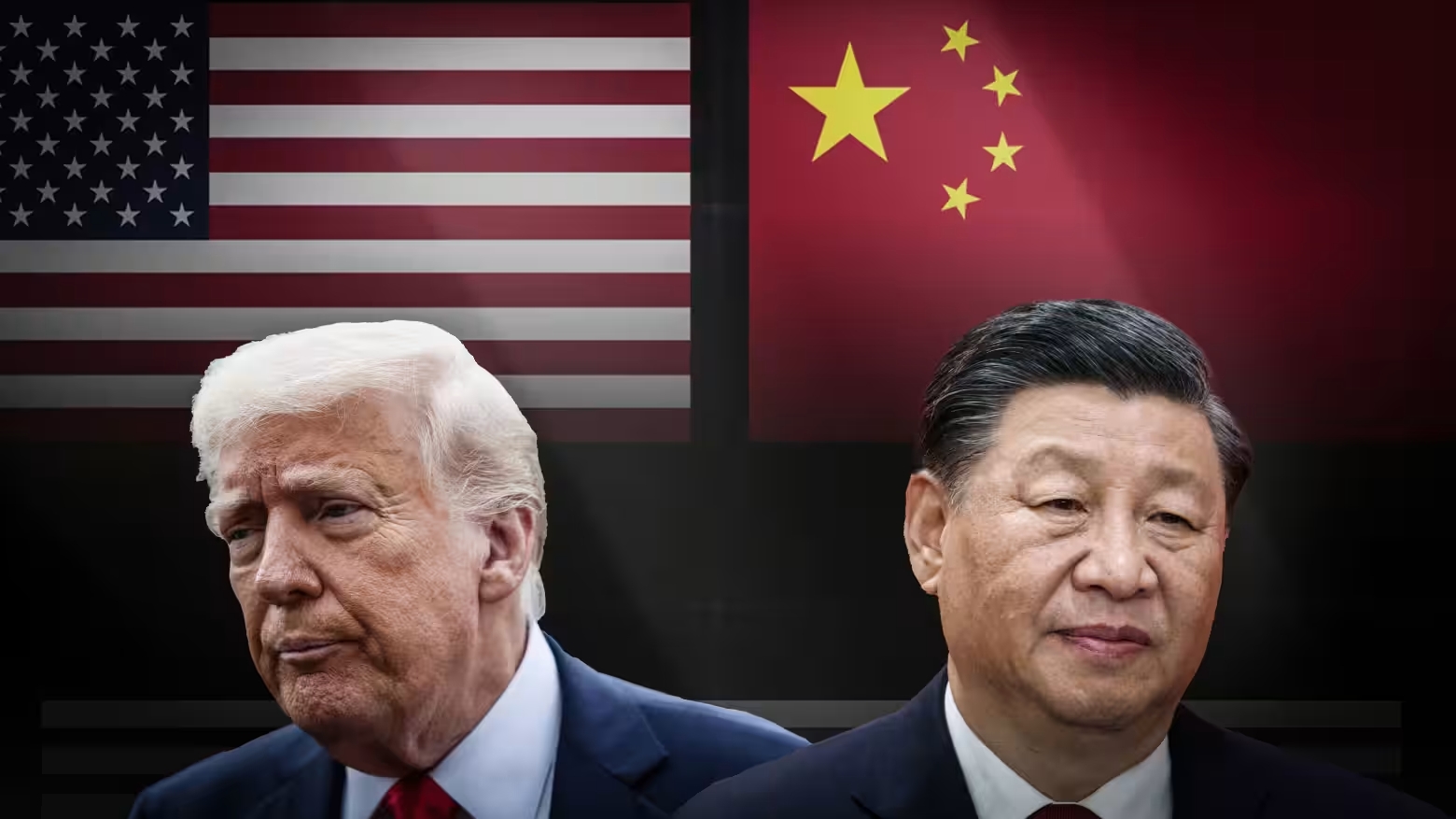
Francis Tuschek, Associate Editor– China has sharply criticized the recent joint US-Israeli military strikes on Iran, describing them as a “flagrant violation” of the UN Charter and a departure from “fundamental norms of international relations,” according to a March 1 report from state-run Xinhua News Agency.
Beijing’s reaction mirrors its earlier denunciation of Washington’s capture of former Venezuelan leader Nicolás Maduro in January, when Chinese Foreign Minister Wang Yi warned against any country acting as a “world policeman” or “international judge.”
Beyond rhetoric, China’s role in the Iran conflict has been felt through its BeiDou satellite navigation system. With GPS signals disrupted during the 12-day war between Iran and Israel, Tehran’s military relied on BeiDou to maintain operational capacity, including monitoring US military assets.
For Taiwan, the implications of China’s position are significant. Iran is a major oil supplier to China, second only to Saudi Arabia, and disruptions in the Strait of Hormuz threaten Beijing’s energy security. Any instability in Gulf oil flows could ripple across Asia, affecting Taiwan’s own energy imports and regional economic stability.
China’s cautious response risks undermining its credibility among states wary of US dominance. Latin American countries, for instance, have already begun diversifying away from Beijing under US pressure. Yet, Beijing may also leverage the crisis to present itself as a stabilizing counterweight to Washington, a message Wang Yi reinforced at the Munich Security Conference in February.
Analysts in Taipei note that a prolonged US entanglement in Iran could delay Washington’s “pivot to Asia,” potentially giving Beijing more room to expand its influence in the Indo-Pacific. This dynamic raises questions for US allies in Asia, including Japan and South Korea, about the reliability of American security guarantees.
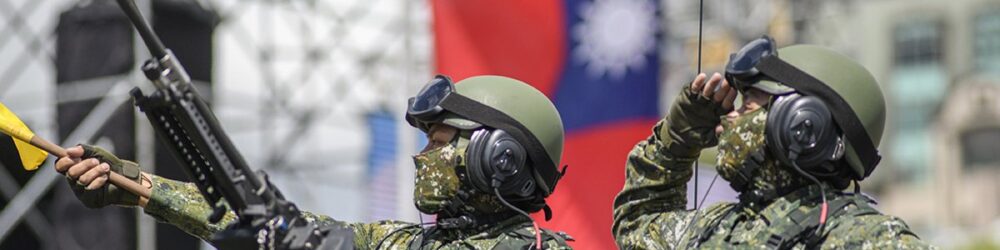
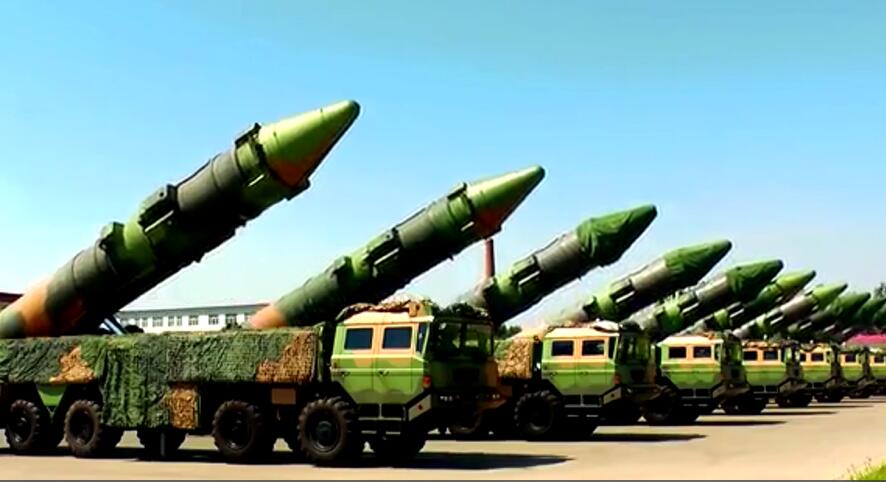
For Taiwan, the stakes are clear: while China faces short-term economic pain from the Iran war, the longer-term strategic shifts could strengthen Beijing’s hand in Asia. Observers warn that Taiwan must closely monitor how the conflict reshapes US commitments in the region, as well as China’s evolving military and diplomatic posture.