Richard Saunders, Phnom Penh
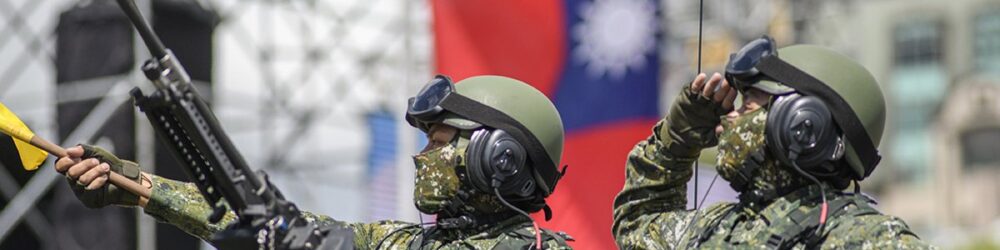
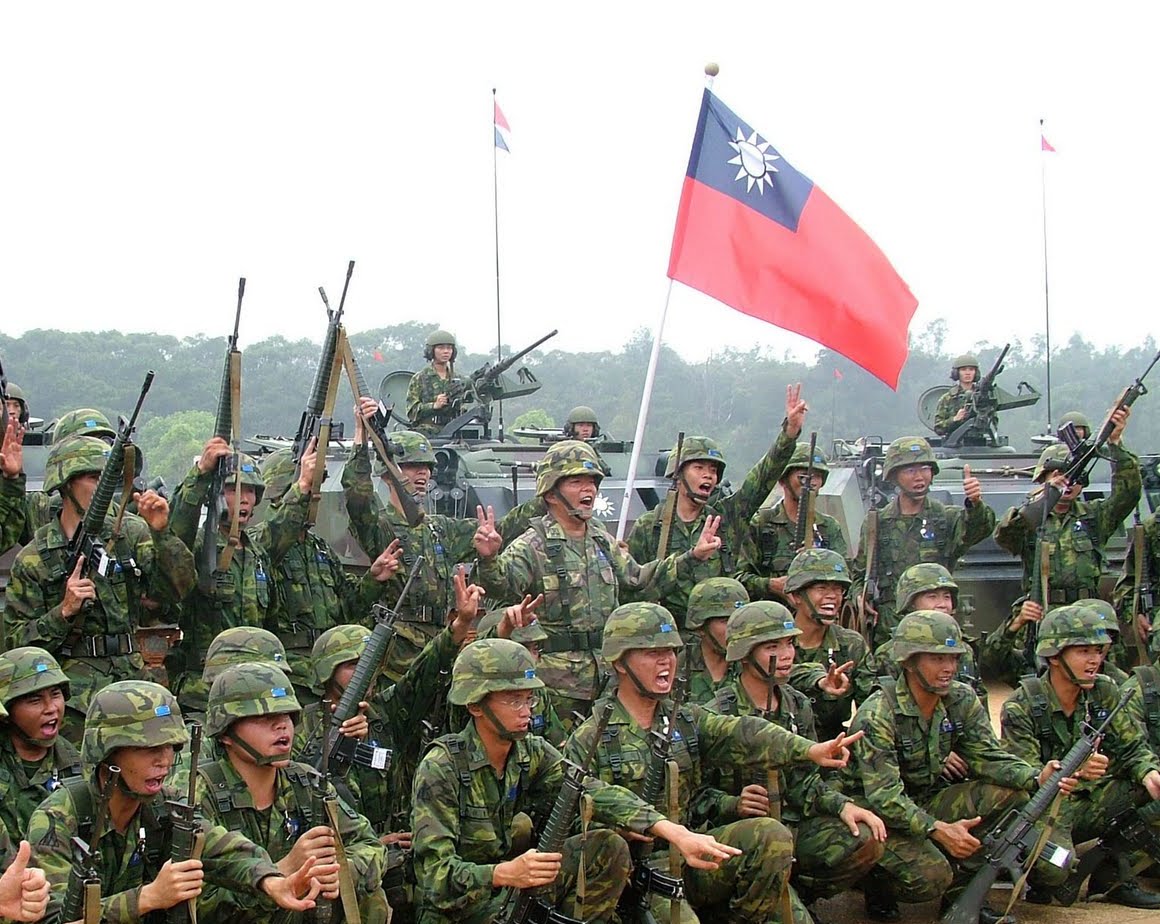
Israeli defense companies are discreetly reestablishing ties with Taiwan after a 25-year hiatus, adopting a stealth approach shaped by security concerns and regional sensitivities. The renewed cooperation offers Israel a fallback option should its relationships in the Middle East deteriorate further.
The partnership recalls earlier decades when Taiwan operated Israeli-made Gabriel missiles, later adapted into its first indigenous anti-ship missile, the Hsiung Feng I. Israel also supplied Dvora-class missile boats, commissioned locally as Hai Ou (Seagull-class) patrol vessels. Both systems have since been retired, but they laid the foundation for Taiwan’s defense industry.
Israel’s disengagement in the early 2000s coincided with its pursuit of closer defense ties with China. However, Beijing’s growing alignment with Iran, Hezbollah, and Hamas has prompted Jerusalem to reassess its strategic posture. In the interim, Israel transferred the Harpy loitering munition design, enabling Taiwan to develop the Chien Hsiang (“Rising Sword”), a versatile system capable of anti-radiation strikes, reconnaissance, and surveillance.
At the 2025 Taipei Aerospace & Defense Technology Exhibition (TADTE), observers noted technology resembling Israel’s Arrow 2 anti-ballistic missile. Taiwan showcased its “T-Dome” multi-layered defense initiative, inspired by Israel’s Iron Dome. Notably, no Israeli representatives were present to explain the systems’ origins, underscoring the low-profile nature of the cooperation.
Industry reports suggest Israel relies on Taipei-based U&U Engineering (均利科技) as consultants, distributors, and representatives. These firms secure contracts with Taiwan’s Ministry of National Defense for servicing, training, and maintenance. To further reduce visibility, aspects of sales and support are routed through Poland, minimizing friction with U.S. officials wary of Taiwan’s defense procurement.
This discreet model reflects the pragmatic realities of defense ties in a complex geopolitical environment—building on historical foundations while adapting to current constraints. For both sides, the lesson is clear: cooperation must continue without repeating the missteps of the past.