Richard Sanders TAIPEI, May 21 –
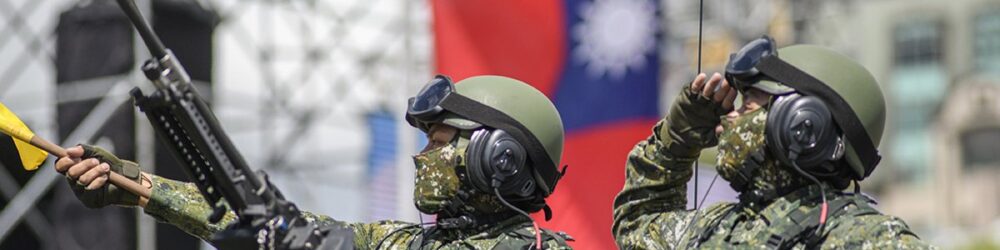
A proposed U.S. arms package for Taiwan worth about $14 billion remains stalled as President Donald Trump considers whether to use the sale as leverage in negotiations with China, raising concerns in Taipei and among U.S. lawmakers over the future of American security support for the island.
The package, potentially the largest U.S. arms sale ever prepared for Taiwan, was approved by Congress in January 2026 but has been delayed for months. It is designed to strengthen Taiwan’s air and missile defenses at a time of rising tensions with Beijing, which claims the self-governing island as its territory and opposes all U.S. weapons sales to Taipei.
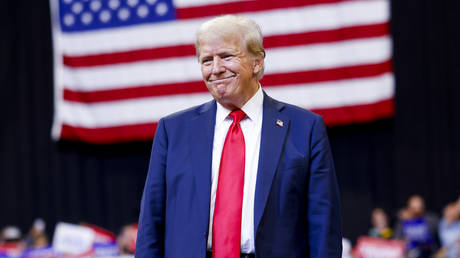
Trump said after recent talks with Chinese President Xi Jinping that the arms package remains “in abeyance” and that its fate “depends on China.” He also described Taiwan arms sales as “a very good negotiating chip,” comments that have intensified debate over whether Washington’s long-standing support for Taiwan’s defense is becoming more transactional.
The proposed package focuses on systems intended to help Taiwan counter aircraft, ballistic missiles, cruise missiles and drones. It includes Patriot PAC-3 interceptor missiles, including the Missile Segment Enhancement variant, which can intercept incoming threats at greater distances and higher altitudes. The sale also includes the National Advanced Surface-to-Air Missile System, or NASAMS, using AMRAAM-ER missiles for medium-range defense against aircraft, drones and cruise missiles.
Other elements include counter-drone systems, medium-range munitions, radars, launchers, training, maintenance support and an integrated battle command system to improve coordination across Taiwan’s defensive network. The capabilities are considered central to Taiwan’s “porcupine” strategy, which aims to make any potential Chinese attack prohibitively costly.
The delayed package is separate from an earlier $11 billion arms sale approved by the Trump administration in December 2025. That deal included HIMARS rocket systems, ATACMS short-range ballistic missiles, M109A7 Paladin howitzers, ALTIUS loitering munitions, Javelin and TOW anti-tank missiles, Harpoon anti-ship missile repairs, helicopter support and tactical software.
Taiwan’s legislature recently approved funding as part of a broader $25 billion defense spending effort, removing a key obstacle previously cited in the delay. However, lawmakers also blocked budgets for some domestic weapons programs, including production linked to a Taiwan version of Israel’s Iron Dome concept, known locally as T-Dome.
Taiwanese officials have rejected any suggestion that the island’s security should be treated as a bargaining item in U.S.-China diplomacy. President Lai Ching-te has called U.S. arms sales one of the most important deterrents against conflict and has said Taiwan must not be sacrificed or traded away. Defense officials in Taipei have said the review process remains on track and that deliveries from earlier arms agreements, including PAC-3 missiles, are continuing.
In Washington, bipartisan lawmakers have urged the administration to move forward with the package, arguing that Taiwan has met its funding commitments and that delays could weaken deterrence in the Indo-Pacific. Supporters of the sale say air and missile defense systems are especially urgent given China’s expanding missile forces and frequent military activity around Taiwan.
Rupert Hammond-Chambers, president of the U.S.-Taiwan Business Council, criticized Trump’s comments, saying they effectively give Beijing influence over U.S. security decisions involving Taiwan. He said previous arms-sale freezes during the Bush and Obama administrations showed that delaying weapons transfers does not ease tensions, but instead encourages pressure from China.
The package now awaits Trump’s final decision. If the administration formally notifies Congress, the sale would proceed through the Foreign Military Sales program managed by the U.S. Defense Security Cooperation Agency.