Richard Sanders, Singapore — The Philippines is actively pursuing deeper security cooperation with Taiwan and a broader coalition of nations committed to deterring what Manila describes as China’s “nefarious plans” in the region, Philippine Secretary of National Defense Gilberto Teodoro declared over the weekend.
Speaking on the sidelines of the Shangri-La Dialogue security forum in Singapore, Teodoro laid out an ambitious strategy to strengthen military partnerships across a network of US allies and defense partners, framing Manila’s deepening ties with Japan, Vietnam, and Taiwan as a “convergence endeavor” — nations drawn together not by formal alliance but by a shared imperative. “We don’t want to get characterized as a bloc, but as an active defense alliance,” he said. “In the need to deter, we are unanimous.”
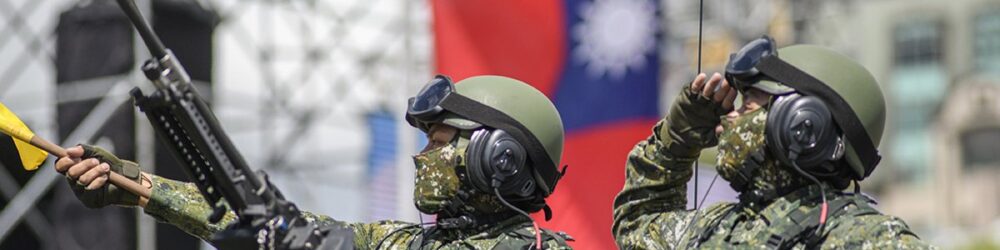
Taiwan occupies a particularly prominent place in Manila’s strategic calculus. Teodoro said the Philippines must evolve its relationship with Taipei in “non-taboo areas,” carefully expanding cooperation while maintaining its longstanding “one China” policy and stopping short of formal diplomatic recognition. Officials and analysts attending the forum said potential areas of cooperation could include intelligence sharing, joint maritime patrols, artificial intelligence development, and collaboration on drone technology — capabilities increasingly central to modern deterrence in the Indo-Pacific.
Underpinning the security dimension is a growing Taiwan-Philippines economic corridor, which Teodoro described as “very important for our defense space, indirectly,” a recognition that economic interdependence and security resilience are increasingly intertwined. On the question of civilian protection, he confirmed that the Philippines would be willing to offer safe harbor to civilians fleeing any conflict involving Taiwan, citing the approximately 200,000 Filipinos currently residing on the island. “The Philippines is open, actually, for humanitarian reasons to those who wish to flee,” he said.
Military cooperation with the United States has also intensified under President Ferdinand Marcos Jr., who warned last month that the Philippines would likely be drawn into any conflict over Taiwan given its geographic proximity to the island. Joint US-Philippine military exercises have expanded to include training on an island near Taiwan, with future drills expected to focus on advanced methods of repelling aggression across air, maritime, and cyberdefense domains.
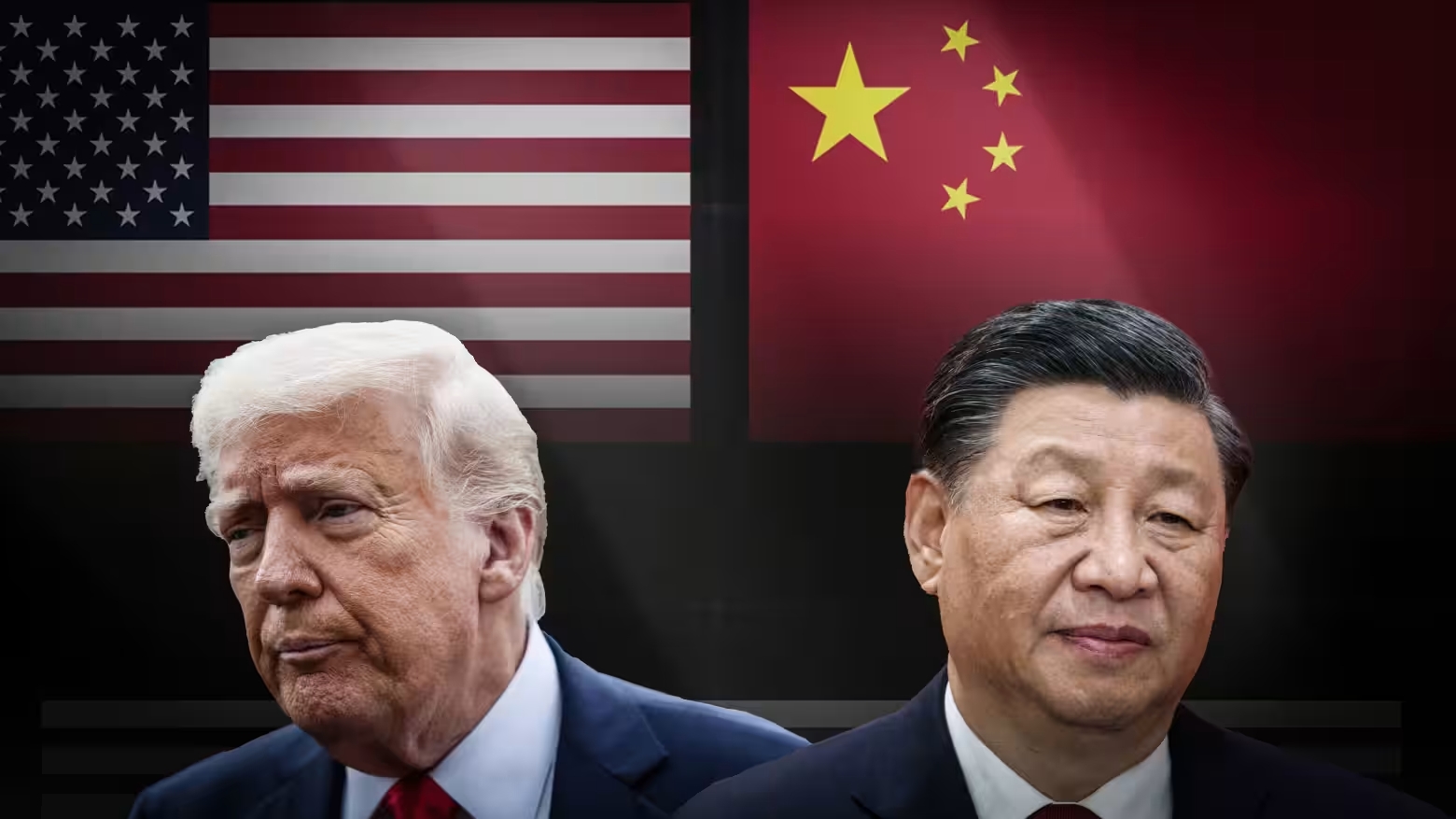
China has argued that US weapons deployments in the Philippines destabilize the region, a charge Teodoro flatly rejected. “They are the only one saying this,” he said, “and why they are saying this, probably it is a hindrance to whatever nefarious plans they have.” The remarks come against a backdrop of escalating confrontations between Philippine and Chinese vessels over disputed reefs in the South China Sea, where Beijing’s increasingly assertive posture has alarmed governments across the region.
Lai I-chung, president of Taiwan’s Prospect Foundation and an attendee at the forum, said both Manila and Tokyo have come to recognize that any contingency in or around the Taiwan Strait carries direct consequences for their own national security. He noted that Taiwan and the Philippines already maintain exchanges in certain areas, and that the depth and scope of future cooperation would be closely watched. He was careful to frame such engagement as defensive in nature, aimed at bolstering mutual resilience and regional stability rather than targeting any third party. “The importance of peace across the Strait is beyond dispute,” he said.