Richard Saunders, Siem Reap
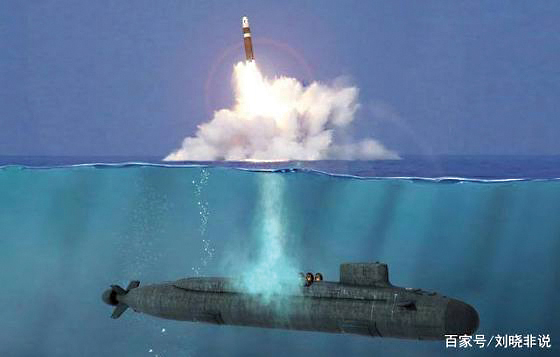
A Chinese nuclear-powered submarine launched a long-range ballistic missile carrying a dummy warhead into the Pacific Ocean on Monday, marking Beijing’s first such test since 2024.
PLA Navy spokesman Wang Xuemeng described the launch as “a routine part of annual training,” adding that China had notified relevant countries in advance. He emphasized that the test “complies with international law and practice” and was “not directed at any specific country or target.” The missile reportedly landed “precisely within designated waters,” though CNN cited a regional source saying it fell near the exclusive economic zone of either Kiribati or Tuvalu.
The test drew sharp criticism from the United States, Australia, New Zealand, and Japan. US State Department spokesman Thomas Pigott warned that “Beijing’s rapid and opaque nuclear weapons buildup is of great concern to the region and the world.” Australian Foreign Minister Penny Wong accused China of destabilizing the Indo-Pacific, citing a lack of transparency in its military activities.
China’s Foreign Ministry spokeswoman Mao Ning rejected the criticism, insisting the launch was conducted in “a safe, standard and professional manner,” urging other nations “not to read too much into it.”
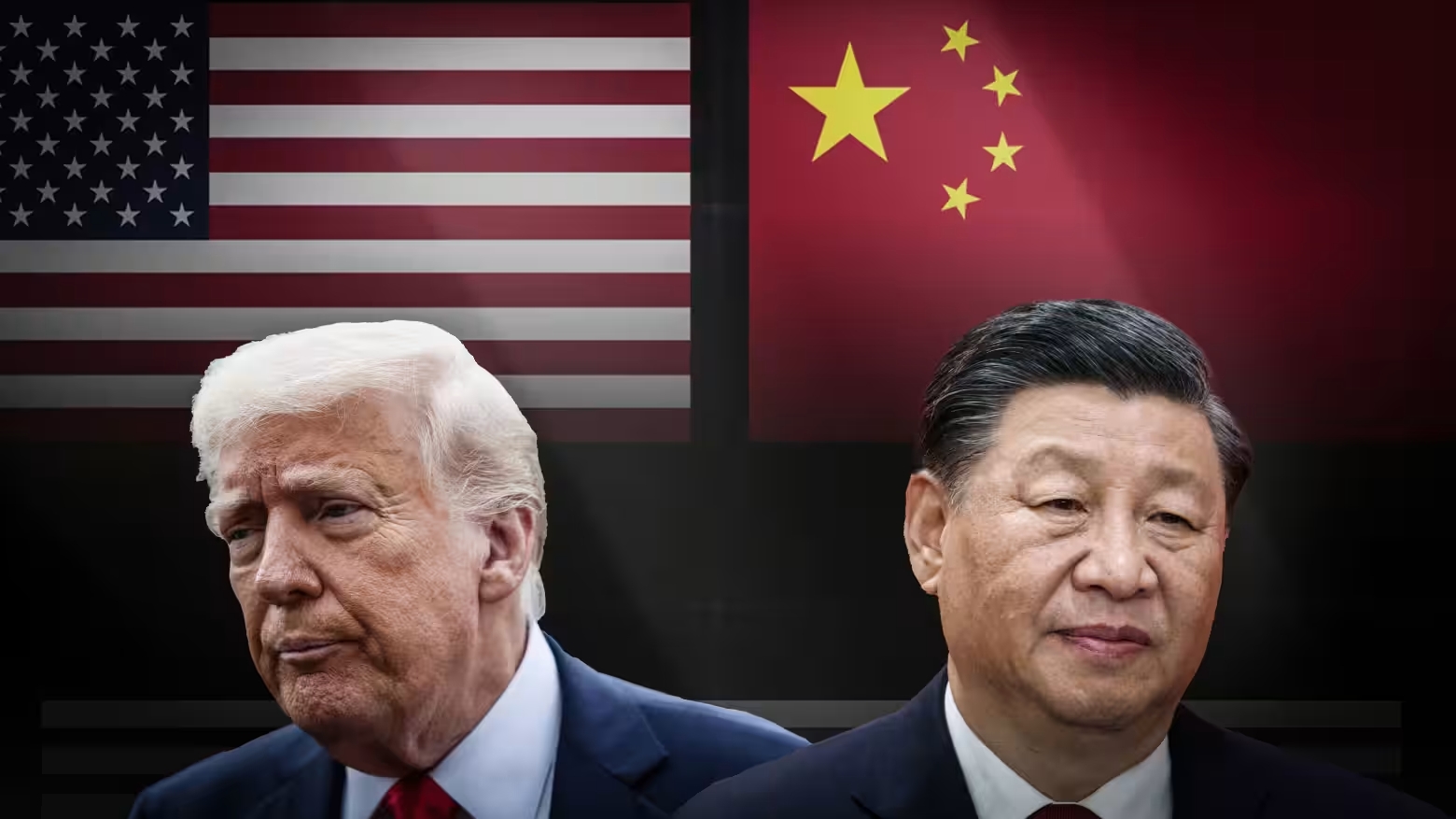
While Washington and Beijing have exchanged warmer diplomatic gestures in recent months—including President Donald Trump’s May visit to Beijing and Xi Jinping’s expected trip to the US in September—frictions remain. The US has imposed sanctions on Chinese firms tied to Iran, while China has retaliated with measures against American defense and mining companies.
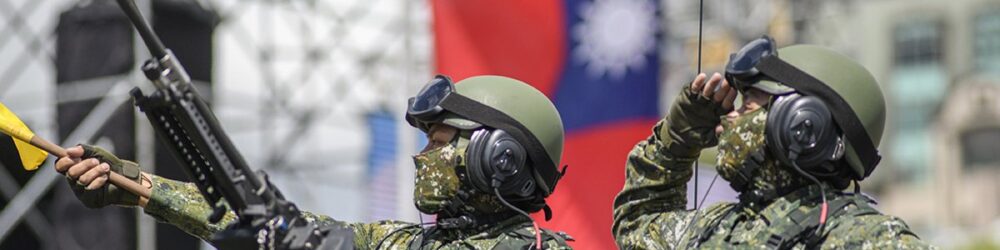
For Taiwan, the test underscores the growing complexity of regional security. Analysts in Taipei note that while China insists the launch was routine, the symbolism of a submarine-based missile test highlights Beijing’s expanding nuclear deterrent capabilities—an issue closely watched across the Taiwan Strait.