Francis Tuchek, Taipei
Regional militaries wrapped up this year’s Balikatan exercises in the northern Philippines, drilling for large‑scale combat in the very waters that would matter most in a conflict over Taiwan. Troops from the Philippines, United States, Japan, Australia, New Zealand, Canada, and France trained across Luzon and the Bashi Channel—territory that would sit inside any future operational zone if China moved against Taiwan.
Although officials avoided naming Beijing, the focus was unmistakable: joint forces practiced scenarios designed to repel a major assault, sharpen coordination, and operate seamlessly in contested maritime space. The training plays out in areas the People’s Liberation Army would need to transit to secure its flank or maneuver around Taiwan’s eastern side.
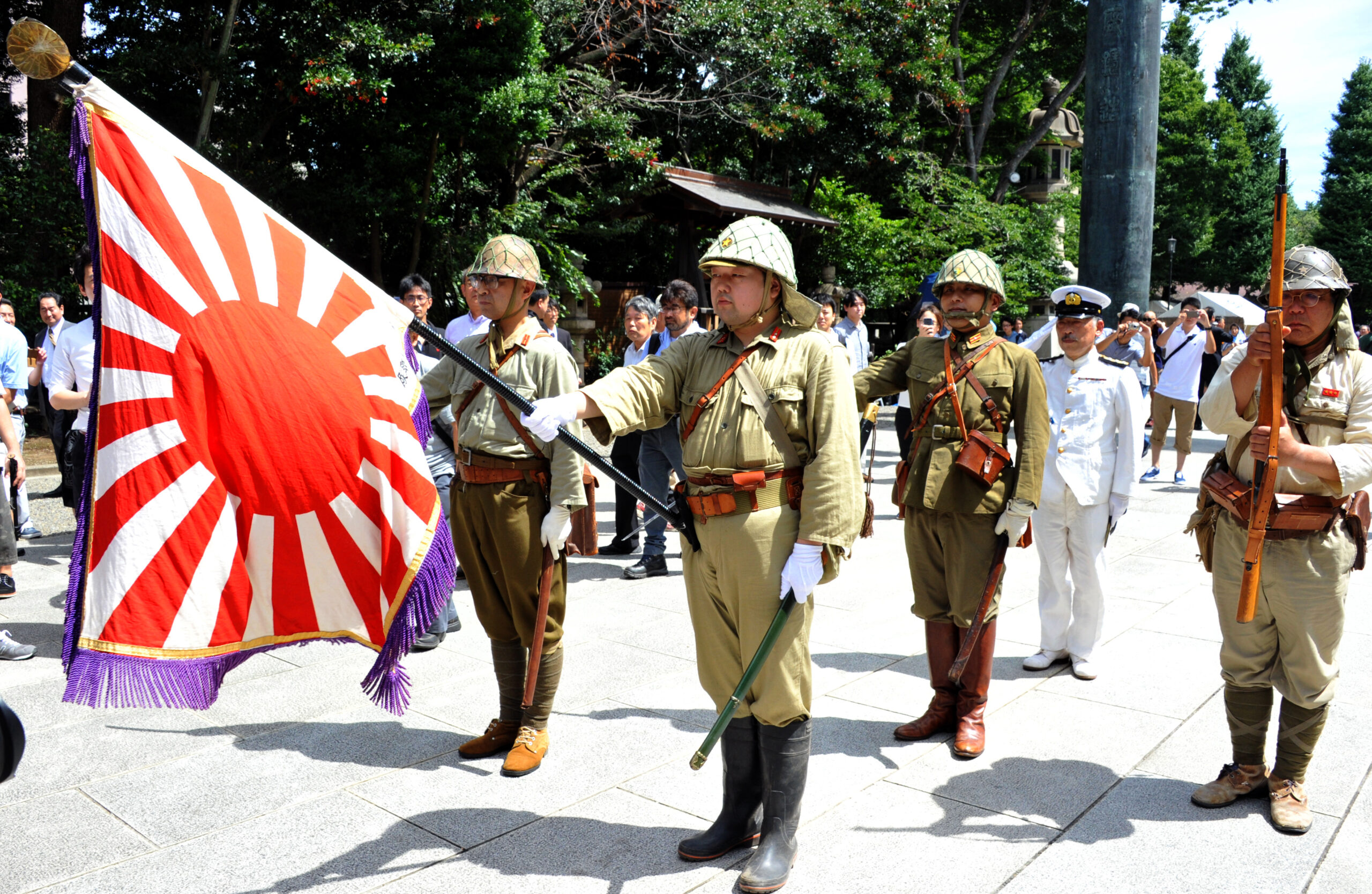
Beyond battlefield readiness, Balikatan delivered political and psychological dividends. Militaries that train together tend to trust each other more, see each other as equals, and thicken alliances. The presence of a large Japanese Self‑Defense Force contingent—its most involved showing yet—highlighted how Japan’s rapid modernization is reshaping regional defense dynamics. Once heavily reliant on U.S. forces, Japan has developed amphibious and joint‑operation capabilities that boosted its own confidence and changed the way American commanders view their ally. That shift has helped stabilize the alliance and made it harder for Beijing to exploit perceived imbalances.
Chinese leaders, meanwhile, view such cooperation with irritation. A coalition of capable neighbors complicates Beijing’s calculus and undermines narratives that regional states must eventually accept Chinese dominance. Joint preparedness signals not only ability, but collective willingness, to resist coercion.
While much of Balikatan centered on repelling an invasion, defense planners note that a direct Chinese invasion of the Philippines remains unlikely. In a major conflict, analysts say China would be far more inclined to conduct precision strikes on critical infrastructure, command‑and‑control nodes, or logistics hubs rather than attempt a risky, large‑scale landing on Philippine territory. Still, the ability to defend coastlines, restore damaged facilities, and coordinate with partners is central to any credible deterrence strategy.
Taken together, this year’s Balikatan exercises showcased a region becoming more capable, more interconnected, and more confident in its ability to push back against aggression. Some officials even suggest that future iterations could include Taiwan itself—an idea that would have been unthinkable a decade ago but now reflects shifting realities in the Indo‑Pacific.