Francis Tuschek, Taipei, May 31, 2026 —
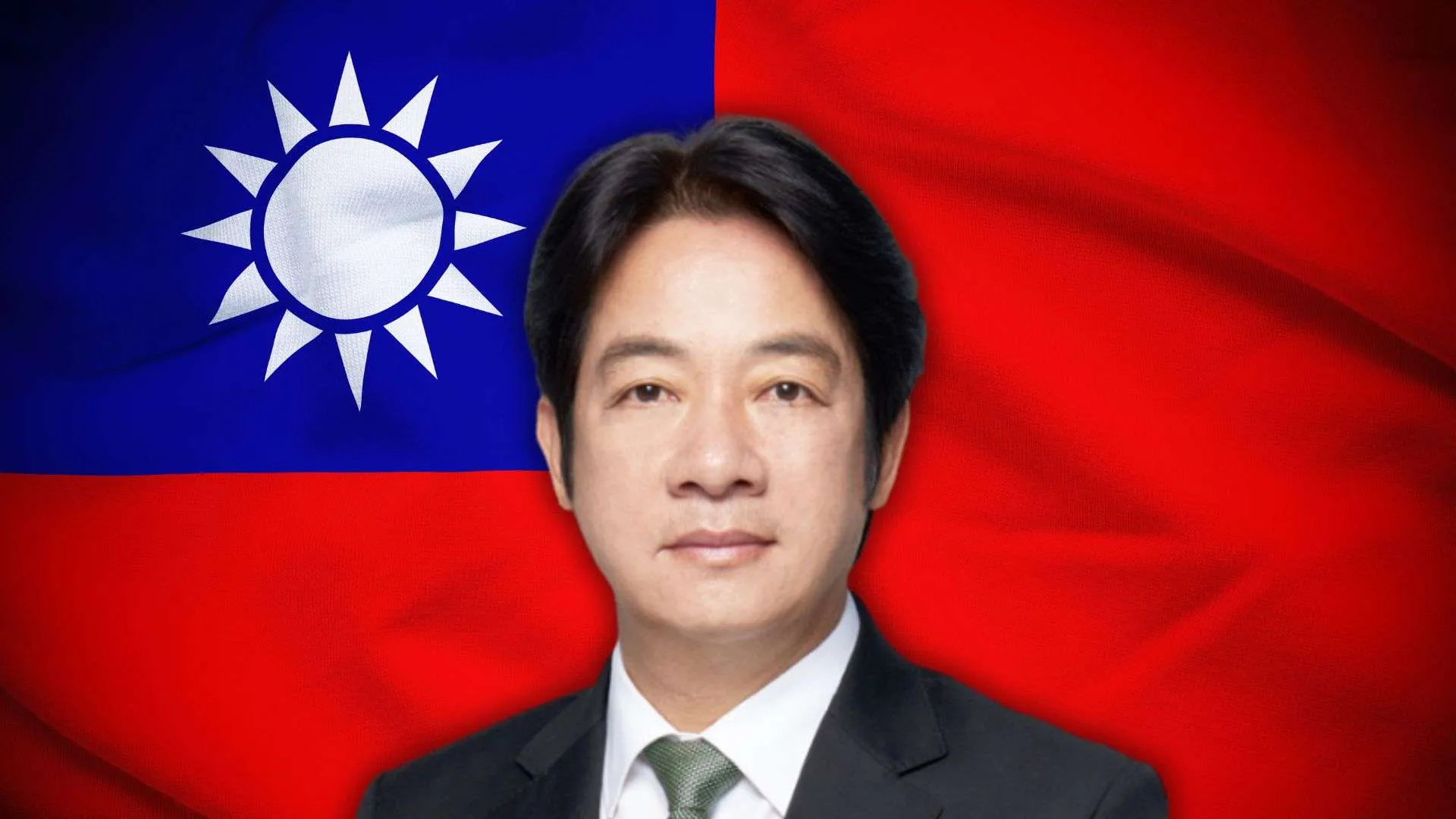
Taiwan’s President William Lai declared Friday that the island will accelerate efforts to strengthen its military capabilities and economic resilience in the face of escalating threats from Beijing, framing the strategy as one of deterrence through strength rather than provocation.
Speaking at the Presidential and Youth Forum hosted by Business Today — an event attended by high school and vocational students — Lai outlined a comprehensive vision for safeguarding Taiwan’s future amid what he described as a multifaceted campaign of pressure from China.
A Three-Front Threat
Lai identified three dimensions of Chinese pressure bearing down on Taiwan: political coercion, military intimidation, and covert influence through so-called “united front” tactics designed to erode loyalty and infiltrate society from within.
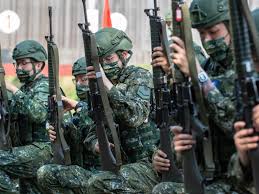
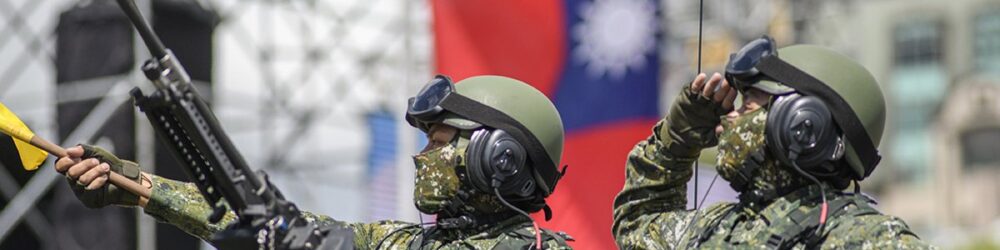
To counter military threats, Taiwan is channeling resources through both special and regular defense budgets, pursuing overseas arms acquisitions, and investing in a homegrown defense industry to raise overall combat readiness.
On the economic front, Lai stressed that resilience must go hand in hand with growth. “We cannot put all our eggs in one basket,” he said, signaling a decisive pivot away from over-reliance on the Chinese market. Taiwan is now actively broadening its global economic ties to build a more diversified and shock-resistant economy.
Standing with Democracies
Lai called on Taiwan to stand alongside fellow democracies in building collective deterrence, arguing that a position of strength is the most effective path to preventing conflict. He left the door open for cross-strait dialogue, but set clear conditions: Beijing must engage Taiwan on equal and respectful terms.
Warning on ‘United Front’ Operations
The president laid out five specific goals he said Beijing pursues through its united front strategy against Taiwan: threatening sovereignty; eroding Taiwanese national identity; recruiting spies; exploiting public goodwill and cross-strait exchanges for influence operations; and establishing so-called “integration zones” along China’s coastline targeting Taiwanese businesses and young people.
Lai confirmed the government is actively reviewing policy responses, with legislative amendments and new measures on the table.
Defense Minister Echoes Commitment
In a separate statement, Defense Minister Wellington Koo reaffirmed Taiwan’s commitment to peace and stability across the Indo-Pacific, pledging to share deterrence responsibilities with regional partners while deepening cooperation with the United States.
Koo’s remarks came in direct response to pointed comments made by US Secretary of Defense Pete Hegseth at the Shangri-La Dialogue in Singapore. Hegseth called on allies to increase defense spending and pull their own weight, warning that Washington would prioritize “model allies” who are “capable, clear-eyed and ready to defend their national interests.”
“For those who believe they can continue to free ride on the generosity of the American taxpayer, hear us now: Those days are over,” Hegseth said, signaling a sharper, more transactional approach to US alliance management.
Taiwan, which has been ramping up its defense budget in recent years, appears intent on positioning itself firmly in Washington’s “model ally” category — a signal directed as much at Beijing as at the Pentagon.