Frank Williams, Luang Prabang
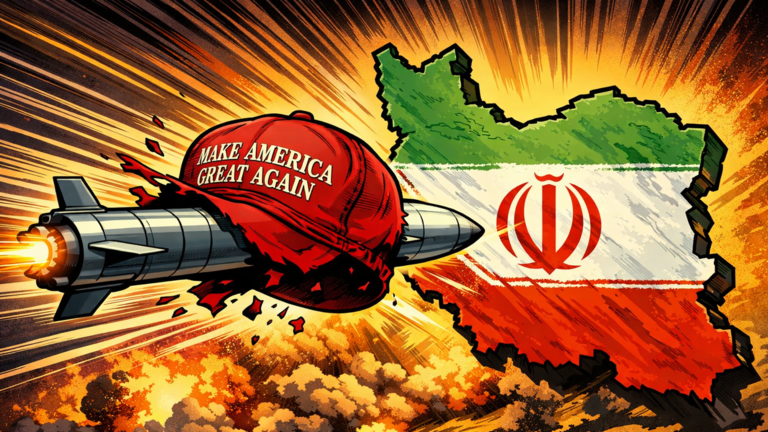
Acute shortages of precision munitions triggered by the ongoing Iran war are eroding confidence in American security guarantees to allies across Asia, according to a New York Times report published Saturday that cited senior US officials.
The campaign, which began with a joint US-Israeli strike on Iran on February 28, has severely depleted stockpiles of expensive precision-guided missiles and air-defense interceptors. Deliveries to foreign customers have been delayed as a result, with the long-term effects expected to hit hardest in Asia. Hundreds of interceptors were reportedly withdrawn from South Korea and other locations in the region to shield American bases in the Middle East.
During the strikes against Iran, the United States expended large numbers of Tomahawk cruise missiles and other weapons that had been earmarked for a potential conflict with China over Taiwan, the Times reported. More than 1,500 Patriot interceptors have already been consumed in the Iran fighting, leaving the US inventory below 1,700 rounds.
Some American officials now worry that South Korea and Japan may start questioning Washington’s ability to defend them amid rising tensions with China and North Korea. The redeployment of ships, aircraft, and air-defense units from Asia to the Middle East has also created cascading problems for equipment maintenance and troop morale, officials told the newspaper.
US President Donald Trump and War Secretary Pete Hegseth have firmly rejected claims of shortages, accusing the media of spreading false information. Speaking to reporters in the Oval Office this week, Trump insisted the United States possesses “unlimited” stockpiles. He nevertheless pointed to his predecessor, Joe Biden, for providing weapons to Ukraine “free of charge,” suggesting those systems are now needed for the Iran conflict. When asked about sending additional Patriot missiles to Ukraine, Trump replied simply, “We want missiles too.”
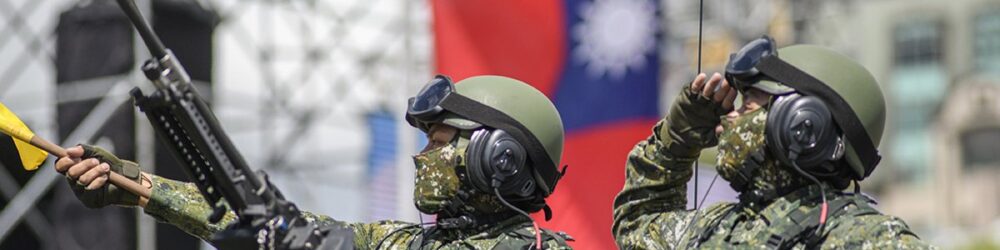
From Taipei’s perspective, the revelations carry particular weight. Taiwan has long relied on the credibility of US security commitments and the availability of advanced American munitions as a deterrent. Any prolonged diversion of critical interceptors and strike weapons away from the Indo-Pacific, or delays in promised deliveries, could further complicate defense planning on the island at a time of heightened regional uncertainty.