Richard Sanders, Phnom Penh
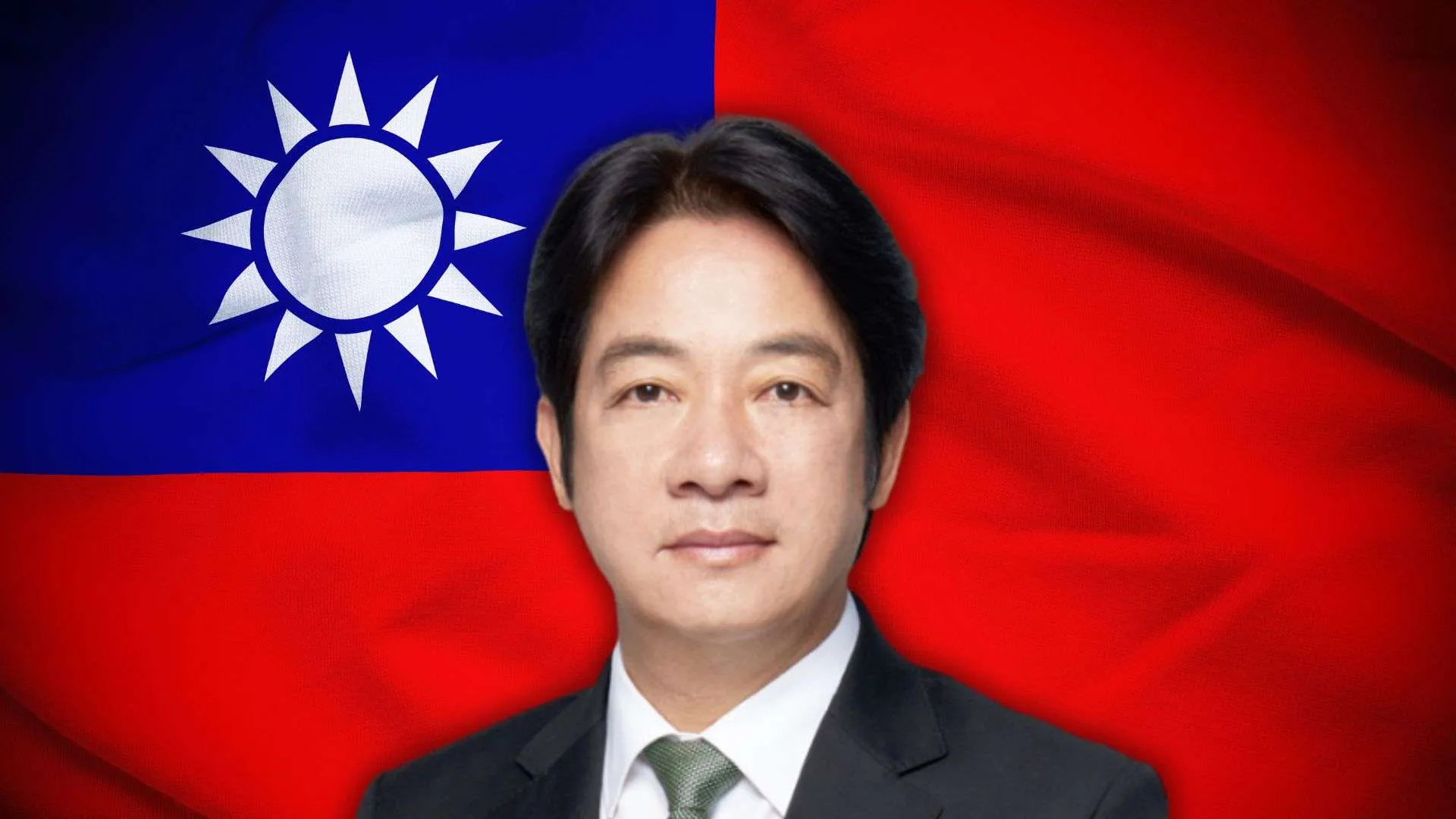
Taiwan’s President Lai Ching-te and senior officials late last week conducted a drill simulating their response to an attempted “decapitation strike” aimed at eliminating the island’s leadership, drawing parallels to the U.S. capture of Venezuelan leader Nicolás Maduro earlier this year.
An armored personnel carrier transported President Lai and his staff from their Taipei offices to a fortified command center near the Defense Ministry, according to a statement from the presidential office.
“The drill was intended to review the command structure, inter-agency coordination, and emergency-response mechanisms, so as to ensure that the government can continue operating effectively and safeguarding national security” in the event of any action against the island, presidential spokesperson Karen Kuo said Thursday.
A government video released to the public showed the armored vehicle racing through Taipei streets toward the command center. Footage also captured Lai putting on a flak jacket, receiving briefings, and issuing orders during the exercise.
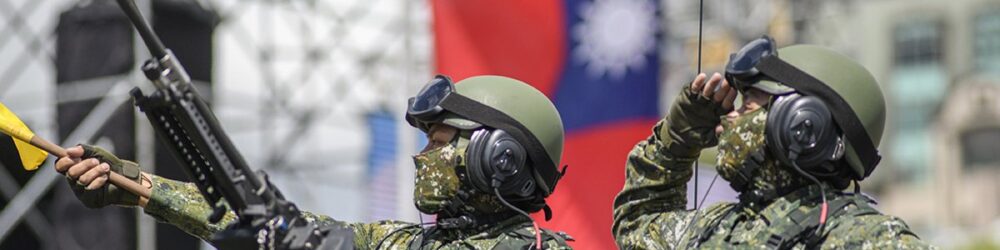
Known as the “Wan Chun” drill, the exercise forms part of the 10-day Han Kuang maneuvers, Taiwan’s largest annual military drills, which began Wednesday. The operation aims to prepare the president for an attempted attack on the island. While this marked the first known participation by Lai, earlier leaders including Tsai Ing-wen and Ma Ying-jeou have taken part in similar training. The drill dates back to the Cold War era, when then-leader Chiang Kai-shek grew concerned about potential moves by the Chinese Communist Party, which claims Taiwan as its territory despite never having governed it.
Chinese leader Xi Jinping has repeatedly stated his intention to bring Taiwan under Beijing’s control and has not ruled out the use of force. Satellite and other imagery from China over the years has revealed desert training grounds featuring mock-ups of Taiwan’s presidential office, government buildings, and Taipei street layouts, with troops practicing assaults on them.
Beijing maintains near-constant pressure on the democratic island through military exercises and gray-zone tactics that rely on non-military assets such as coast guard and administrative vessels in surrounding waters.
The broader international security environment has added urgency to this year’s Taiwanese drills. The U.S. operation that captured Maduro in early January, along with U.S.-Israeli strikes targeting Iranian leadership early in the conflict with Iran, have underscored the importance of preparation. “Taiwan needs to ready itself for the scenario now unfolding in Iran – and fast,” Charles Lyons-Jones, a research fellow at Australia’s Lowy Institute, wrote in March.
A senior Taiwanese defense official told reporters before the exercises that they are no longer treated as “lab-like exercise[s] in a vacuum.”
Bridge Defense and Reservist Mobilization
Late Thursday, Taiwanese troops practiced defending the Danjiang Bridge, a nearly one-kilometer span over the Tamsui River that opened earlier this year. The bridge sits at a critical chokepoint that could allow forces a rapid route into central Taipei and lies near the Taipei port and beaches that might serve as staging areas. Soldiers erected multiple layers of barriers and deployed barbed wire to simulate blocking an advance.
In the opening two days of the war games, roughly 20,000 reservists were called up to rehearse the defense of key infrastructure including ports, power plants, and bridges. Air-defense systems such as Patriot and Tien-Kung missiles were also visible on streets in downtown Taipei.
Next week, Taiwan will for the first time intentionally reduce mobile internet speeds nationwide. The test will examine how the public communicates when bandwidth is limited during emergencies, whether natural disasters or a Chinese attack.