Richard Sanders- Tawi Tawi
Premier Cho Jung-tai is expected to countersign an opposition-backed law boosting Taiwan’s defense autonomy and unmanned vehicle sector, with funding for the program to be added to this year’s supplemental budget, according to sources familiar with the matter.
On Thursday, the Legislative Yuan approved the Act on Strengthening Defense Autonomy and Developing the Unmanned Vehicles Industry. The measure sets aside NT$240 billion (about US$7.59 billion) over six years in principle and permits further allocations subject to lawmakers’ approval.
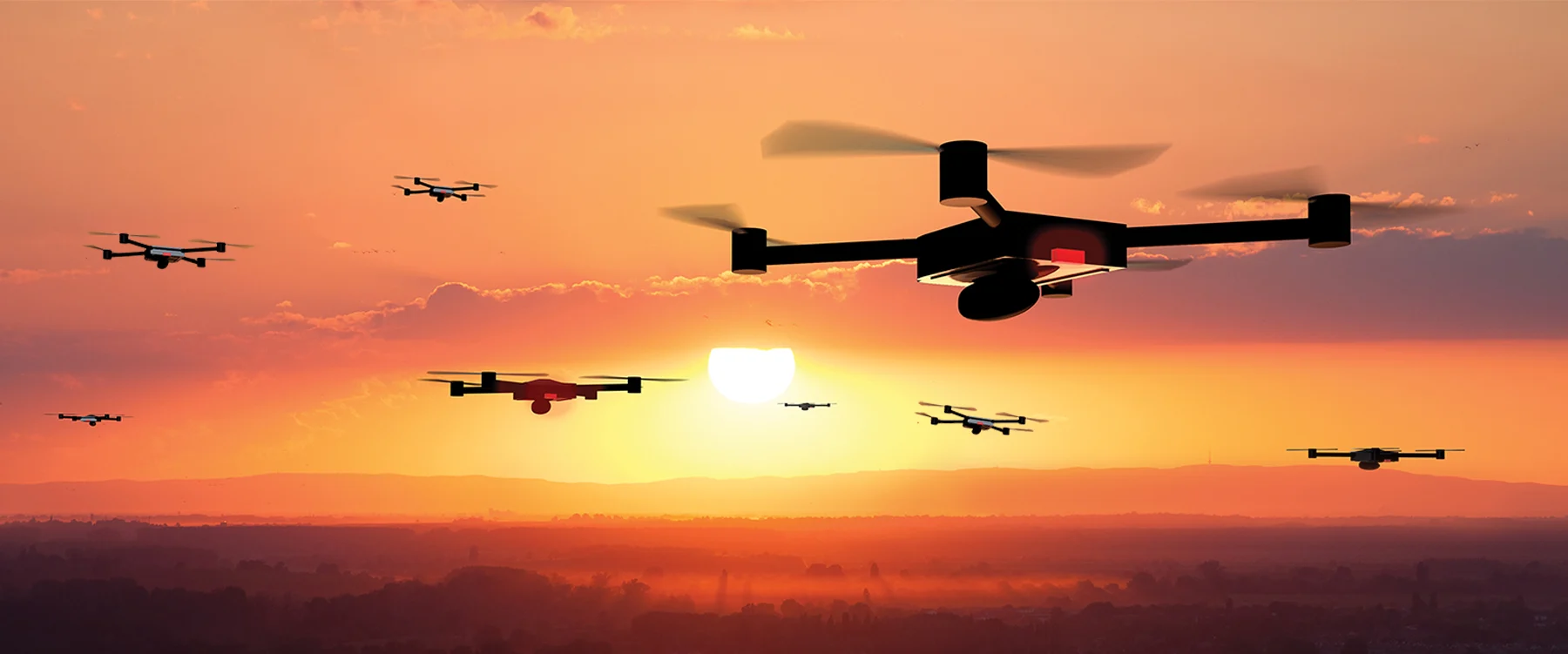
The legislation instructs the Ministry of National Defense to give priority to buying domestically made “low-cost, high-performance” uncrewed systems. It calls on the central government to allocate, as a rule, NT$40 billion each year for six years from the general budget to purchase these vehicles, aiming both to strengthen national defense and spur industrial development.
The Executive Yuan’s earlier proposal for a NT$210 billion special budget spanning six years failed to pass. That version, supported by the ruling Democratic Progressive Party caucus, was defeated by the Chinese Nationalist Party (KMT) and Taiwan People’s Party, which together control a majority in the legislature.
Lawmakers only finalized this year’s central government budget on Aug. 14. The Cabinet had intended to approve a supplemental budget on Thursday but postponed the decision by a week because the unmanned-vehicle bill was scheduled for a vote the same day, sources said. Officials also planned to revise the supplemental package based on the outcome of that vote.
Seeking to speed up defense preparations, the Executive Yuan is preparing to co-sign the opposition version of the bill. After its passage on Thursday, the Cabinet avoided strong criticism and instead voiced deep regret while pledging to “expedite the allocation of the necessary funding.”
The Defense Ministry has confirmed that every item previously cut from the Cabinet’s NT$1.25 trillion special defense proposal will be restored in this year’s supplemental budget, including money for uncrewed vehicles, a source said. Premier Cho is expected to settle on the final size of the supplemental package after reviewing a ministry report this week.
Because the Cabinet originally planned to finance the unmanned systems through a special budget, no related funding appears in next year’s central government budget proposal. That proposal must be submitted to the legislature tomorrow, leaving insufficient time for revisions beforehand. Waiting until next year’s budget clears the legislature before seeking extra funds would be too slow, sources noted. The Executive Yuan therefore intends to submit budget amendments at a suitable moment so they can be examined together with the main proposal.