Frank Williams, Paris
PARIS/TAIPEI — Foreign ministers from the Group of Seven (G7) nations have issued their strongest collective expression of concern to date over China’s increasingly assertive activities in the waters east of Taiwan, saying the operations threaten regional stability, freedom of navigation and the safety of international shipping.
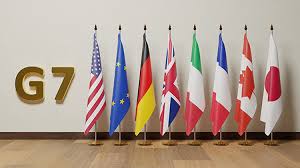
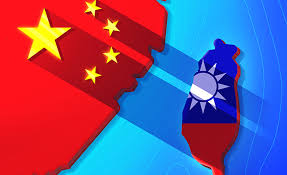
In a joint declaration released after their two-day meeting in Paris on November 9–10, 2026, the ministers from Canada, France, Germany, Italy, Japan, the United Kingdom and the United States, along with the European Union’s high representative for foreign affairs, stressed the importance of maintaining peace and stability across the Taiwan Strait.
“We reaffirmed our opposition to any unilateral attempts to change the status quo, particularly by force or coercion, or the threat thereof,” the statement said. The ministers also encouraged the peaceful resolution of cross-strait issues through constructive dialogue and expressed support for Taiwan’s meaningful participation in international organizations.
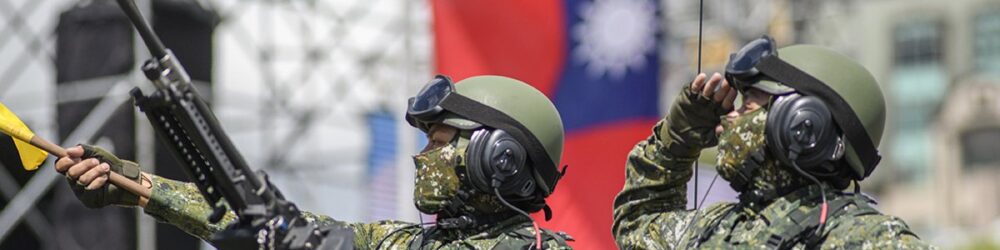
China has intensified coast guard patrols off Taiwan’s eastern coastline since June. Taiwanese officials have said they believe the operations may form part of preparations for a potential maritime blockade involving overlapping military, paramilitary and civilian assets. The area is viewed in Taipei as critical for wartime supply routes.
While the United States, Britain, France and Germany had previously voiced worries about Chinese activity off Taiwan’s east coast, analysts noted that the G7 statement marks a more unified and pointed collective position.
Taiwan’s Presidential Office welcomed the declaration. Spokesperson Karen Kuo said peace and stability across the Taiwan Strait and in the Indo-Pacific are vital to global security and prosperity. She reiterated that Taiwan would continue strengthening its self-defense capabilities and whole-of-society resilience while working with like-minded partners, including G7 members.
China rejected the statement. Foreign Ministry spokesperson Mao Ning said it “disregards objective facts,” “crudely interferes in China’s internal affairs, and maliciously slanders and smears China.” She described the G7 as an “ideological clique clinging to Cold War mentality and engaging in bloc politics,” and urged the group to “put its own house in order.” Chinese President Xi Jinping separately reiterated that “reunification” with Taiwan must be achieved, while stating a preference for peaceful means.
The Paris meeting also covered other global issues, including support for Ukraine and concerns over the broader Indo-Pacific, East China Sea and South China Sea. The G7 declaration on Taiwan comes amid heightened regional tensions and ongoing Chinese military and paramilitary activity near the island.