Richard Saunders –Taipei, March 26, 2026 — Amid escalating tensions with China, Taiwan’s defense analysts should be increasingly looking to international examples for strategic insights. One unexpected model is Iran’s mosaic defense strategy, a decentralized military doctrine crafted to endure superior firepower and prolonged engagements.
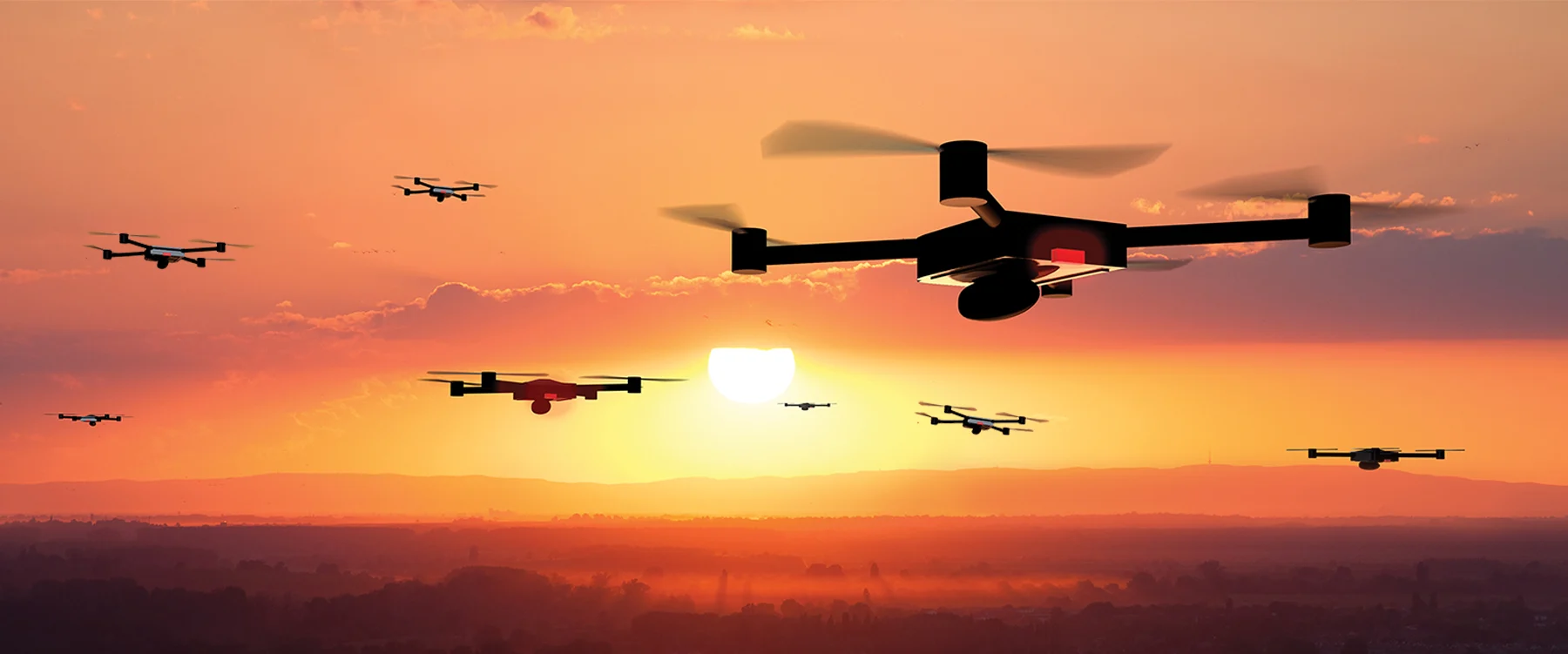
Iran’s mosaic defense prioritizes dispersing command authority, empowering local units, and employing cost-effective asymmetric tactics like drones and rockets. This approach enables Iran to sustain combat operations even after significant leadership losses or infrastructure damage, ensuring resilience against more powerful foes.
Taiwanese military experts should see parallels that could bolster the island’s defense posture. By decentralizing command, Taiwan aims to preserve operational continuity if its leadership or communication networks are compromised. Analysts also highlight Iran’s use of affordable drones and rockets as a potential blueprint for countering China’s extensive arsenal of long-range missiles and aircraft.
Taiwan must prepare for scenarios where centralized command structures are disrupted and Iran’s strategy underscores that resilience and adaptability can seemingly outweigh sheer firepower.
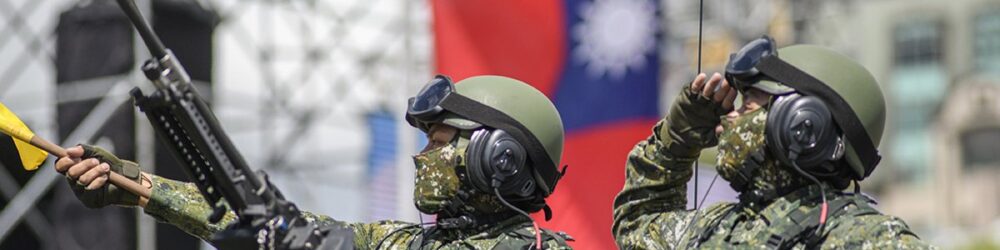
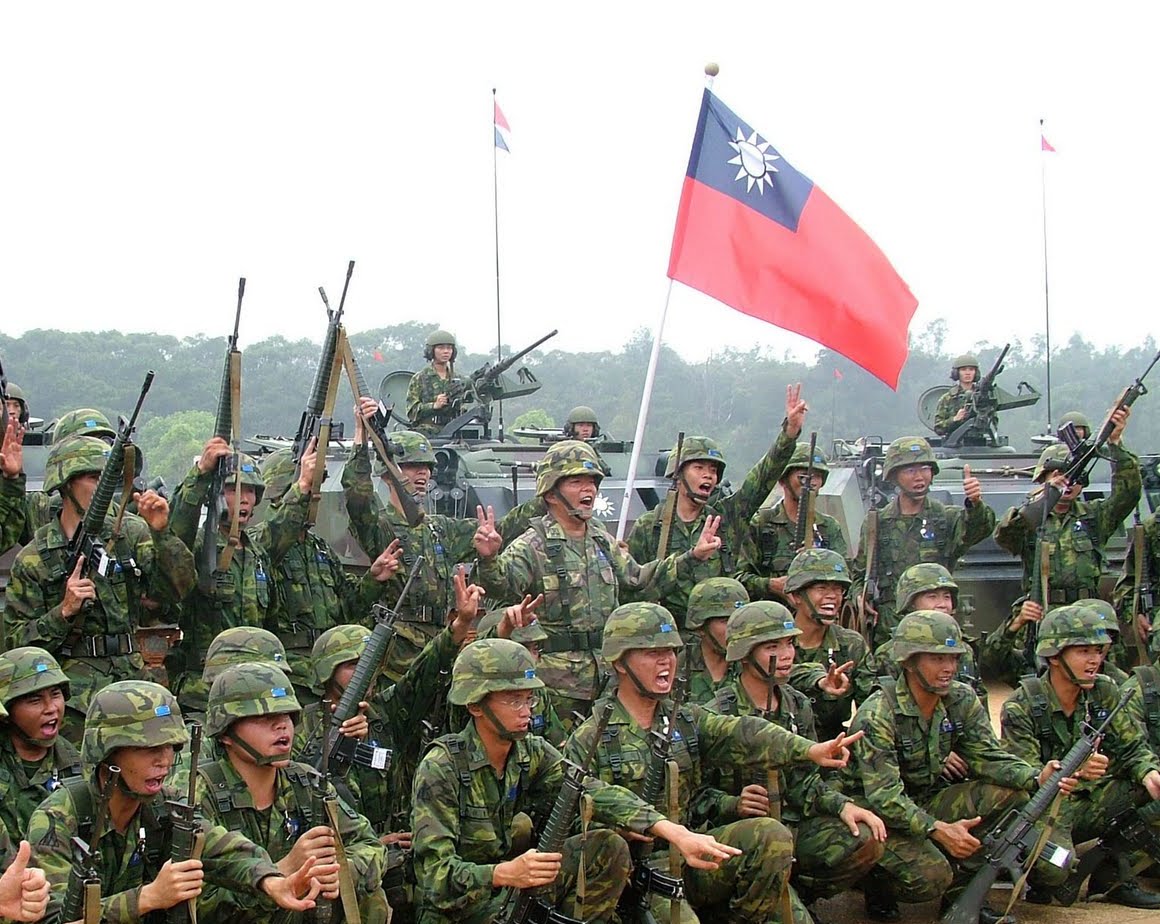
Nonetheless, experts emphasize Taiwan’s unique geographic constraints. Unlike Iran’s expansive territory, Taiwan is a compact island with limited strategic depth. It cannot depend on proxy forces as Iran does, necessitating a focus on coastal defenses, cyber resilience, and the mobilization of local defense units.
Despite these challenges, the mosaic defense concept is gaining momentum within Taiwan’s military circles. Officials have expressed interest in developing low-cost interceptors and autonomous systems to supplement traditional air defenses.
As Taiwan advances its military modernization, Iran’s mosaic defense serves as a potent reminder that survival in contemporary warfare hinges on flexibility, endurance, and the capacity to adapt under pressure.