Frank Williams, Phnom Penh
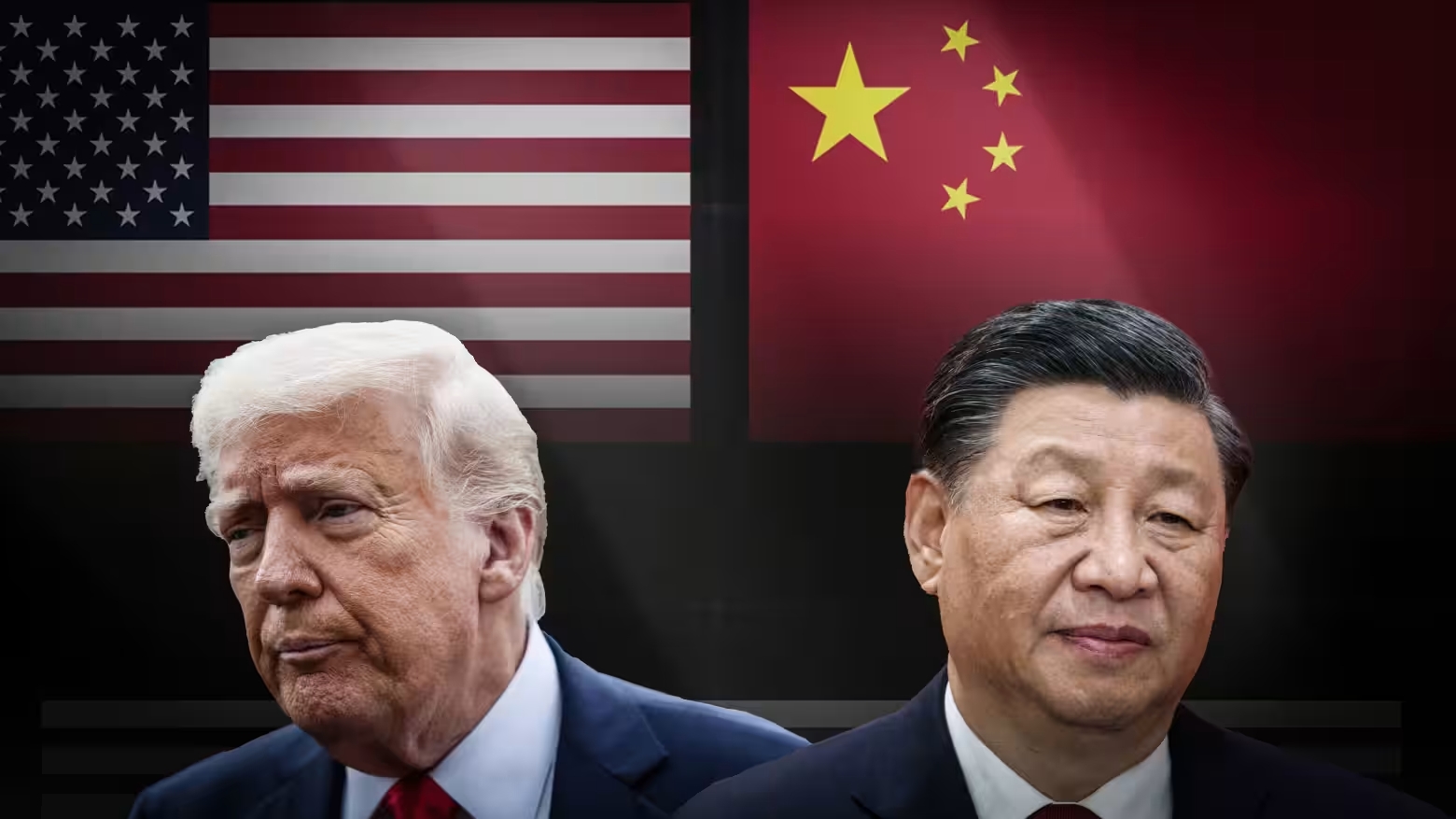
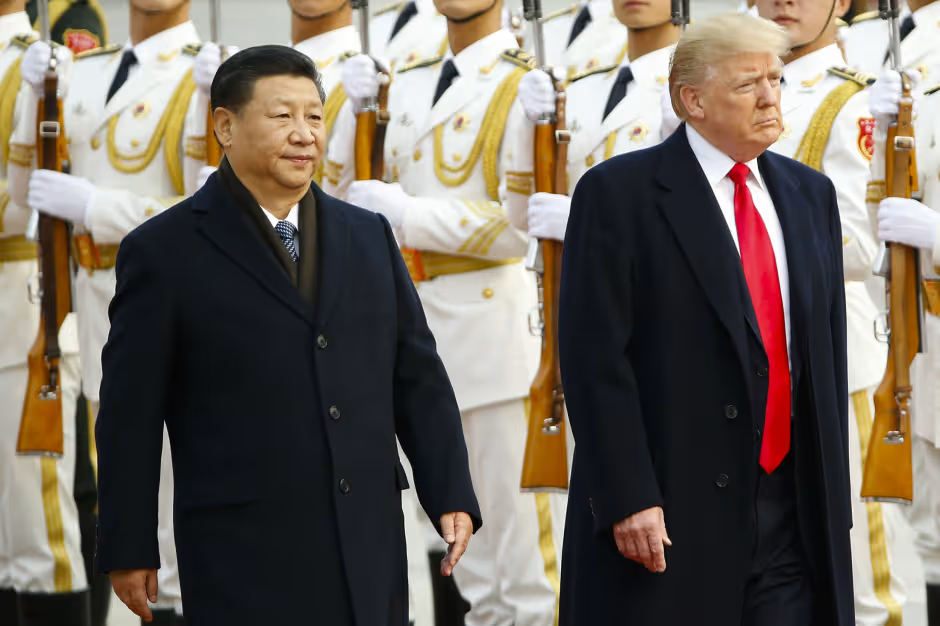
Taiwanese officials and analysts will be closely monitoring the U.S. president’s visit to Beijing, viewing the high‑profile talks as a significant moment for regional stability. While the discussions centered on easing friction between Washington and Beijing, political leaders in Taipei remain steady but alert.
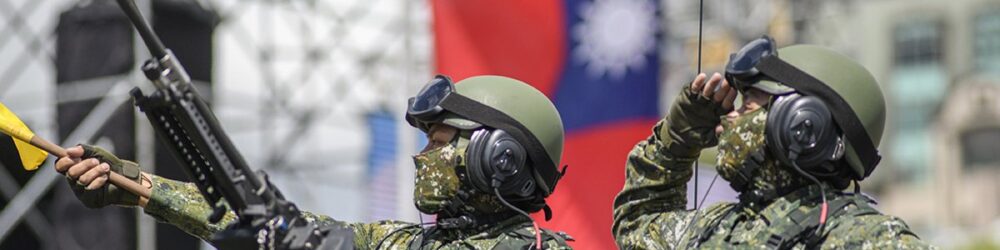
From Taiwan’s perspective, great‑power dialogue is generally welcome if it helps lower the risk of miscalculation in the Taiwan Strait. However, policymakers are attentive to how these engagements might shape the strategic environment over time, especially as Beijing continues military activities near the island.
Washington and Beijing restored certain military‑to‑military communication channels back in late 2025, but the long‑term effectiveness of those links remains unclear. The renewed contact is still viewed as useful for reducing the risk of sudden escalation, yet officials caution that these mechanisms have not fundamentally altered the security dynamics around the island.
Economically, Taiwanese businesses are watching closely as the two major powers revisit trade and supply‑chain issues. Any improvement in U.S.–China relations could influence global demand patterns and investment flows, particularly in sectors where Taiwan plays a central role, such as advanced semiconductors. Still, analysts stress that rivalry in critical technologies is unlikely to diminish.
For many in Taiwan, the visit underscores a broader reality: Washington and Beijing appear intent on managing their competition rather than resolving it. As these diplomatic overtures unfold, Taiwan continues strengthening its defense posture, expanding international partnerships, and emphasizing resilience in the face of an evolving strategic landscape.