Richard Sanders, Phnom Penh
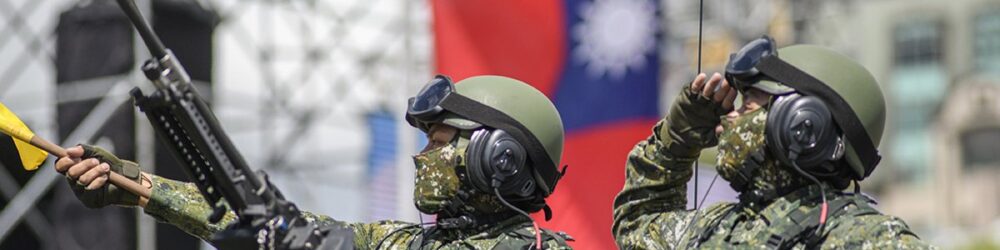
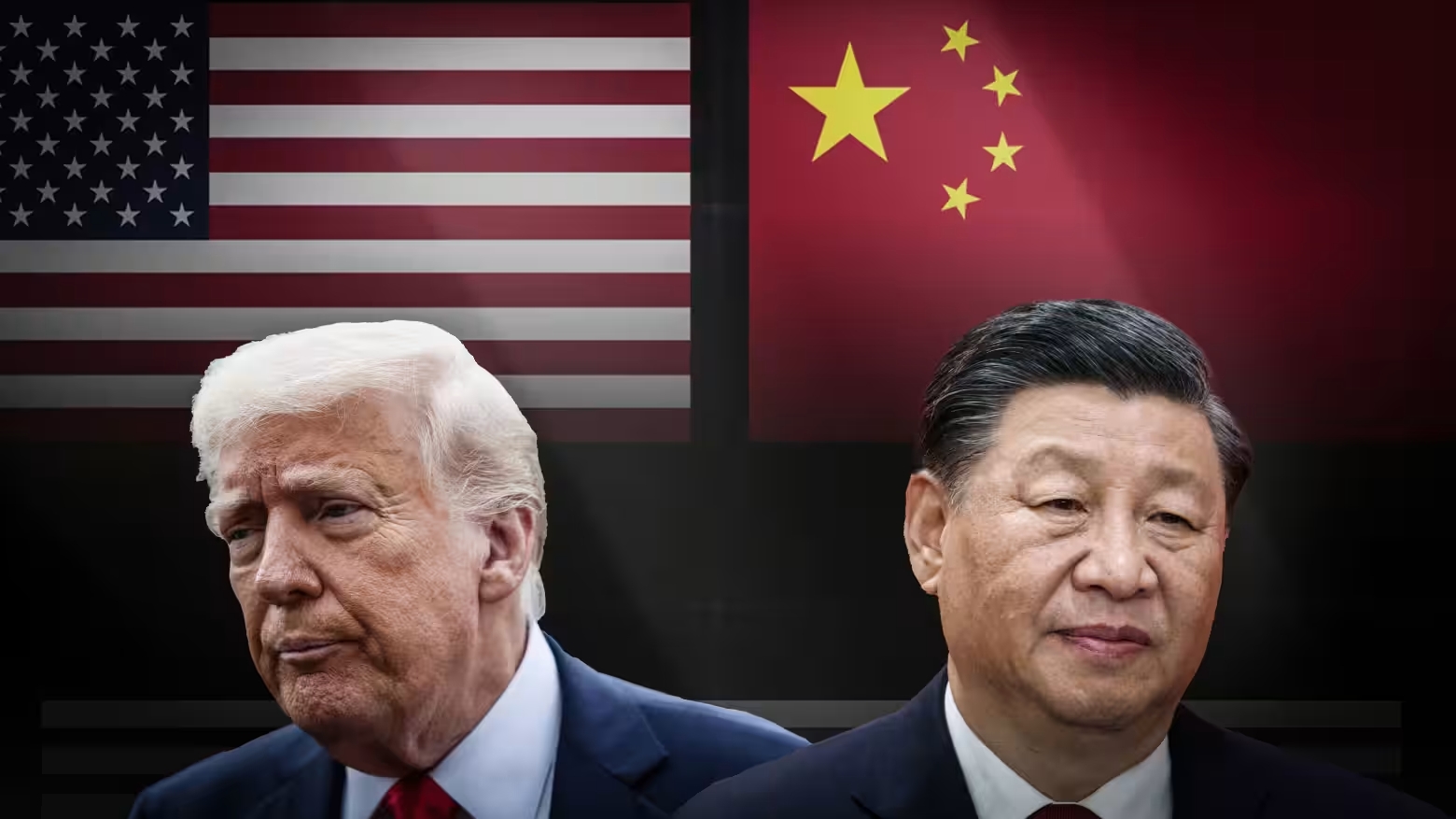
A bipartisan group of US senators is urging President Donald Trump to advance a long‑pending US$14 billion arms package for Taiwan, which has been paused ahead of Trump’s upcoming trip to China. The sale, approved in principle last year, has reportedly been stalled as the White House seeks to avoid friction during Trump’s summit with Chinese President Xi Jinping.
According to The New York Times, officials familiar with the matter said the administration halted the approval process partly to maintain smooth discussions with Beijing. In a letter sent Friday, eight senators called on Trump to reaffirm Washington’s “inviolable” commitment to Taiwan’s security and warned against letting Taipei become a bargaining chip in broader economic or diplomatic talks with China. “American support for Taiwan is not up for negotiation,” they wrote.
The senators pointed to Taiwan’s recently approved special defense budget as evidence of Taipei’s seriousness about strengthening its own capabilities. They argued that the US should likewise proceed with critical arms sales that align with American strategic interests.
Although congressional backing for Taiwan remains strong, The New York Times reported growing unease among lawmakers over what some describe as mixed messages from the administration during Trump’s second term.
A separate CBS News report said that Taiwan remains a core issue for Xi in the upcoming summit. CBS also reported that Trump has shown openness to discussing the arms package with Xi, raising concerns in Taipei that Taiwan’s defense could be folded into broader US‑China negotiations. Beijing is reportedly pressing Washington to shift from “not supporting Taiwan independence” to explicitly “opposing Taiwan independence,” a change analysts say could carry major implications for Taiwan’s security.
Experts cited by CBS warned that even subtle shifts in diplomatic language might embolden Beijing, which continues to frame unification as “inevitable” and refuses to rule out military action. Some in Taiwan fear Trump could soften support for the island in exchange for trade benefits or other concessions, especially after previous remarks in which he suggested Taiwan’s future was “up to” Xi—though he has also expressed strong opposition to any forcible change to the status quo.
Taiwan’s Deputy Foreign Minister Chen Ming‑chi told CBS he does not believe Washington would abandon Taiwan, calling the US the island’s “most reliable partner.” He highlighted Taiwan’s central role in global semiconductor production as a key foundation of the partnership. Chen added that Taiwanese society overwhelmingly rejects Beijing’s “one country, two systems” framework, especially after China’s 2019 crackdown in Hong Kong, noting that Taiwanese have “never lived under Chinese Communist Party rule” and deeply value their democracy.