Brian Lupus, Penang
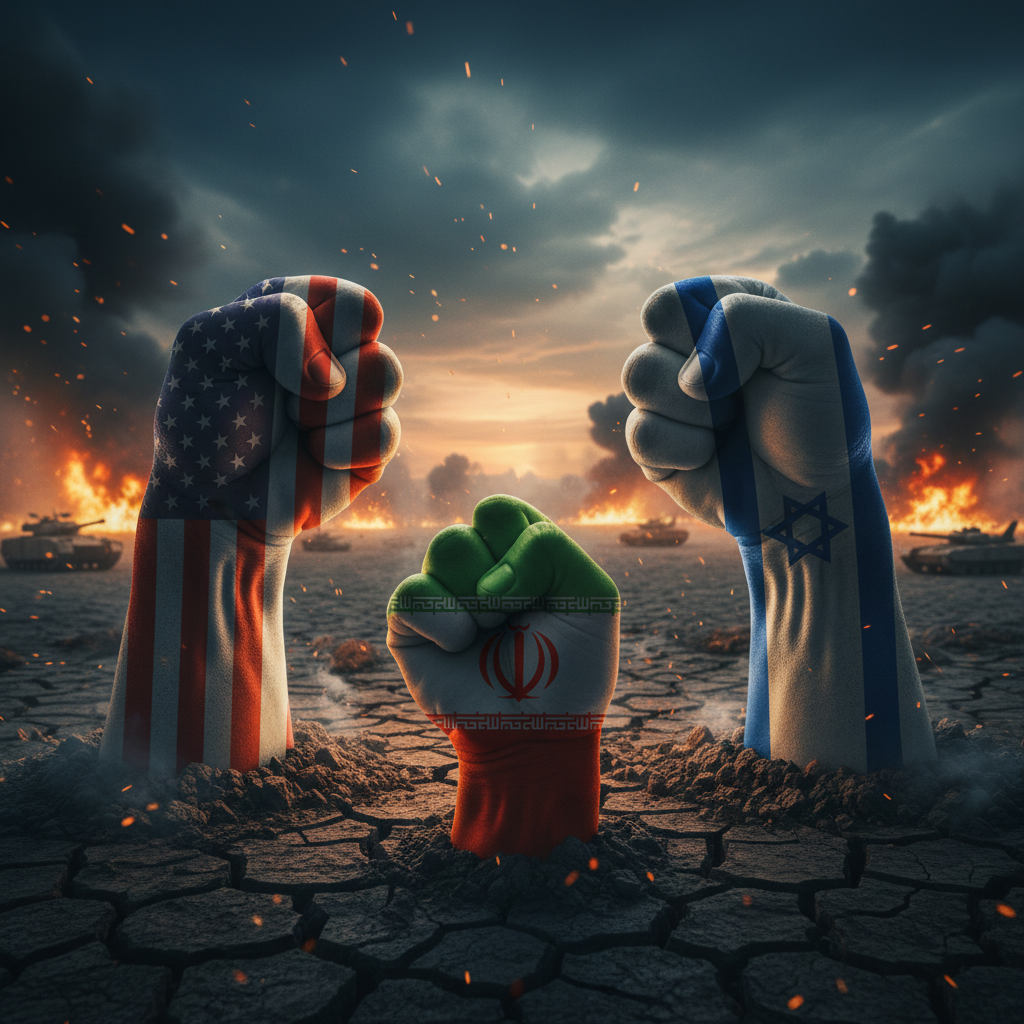
The recent conflict involving the United States, Israel, and Iran is increasingly being viewed by analysts as a defining example of how modern warfare is evolving—offering lessons that extend far beyond the Middle East, including for Taiwan and the broader Indo-Pacific.
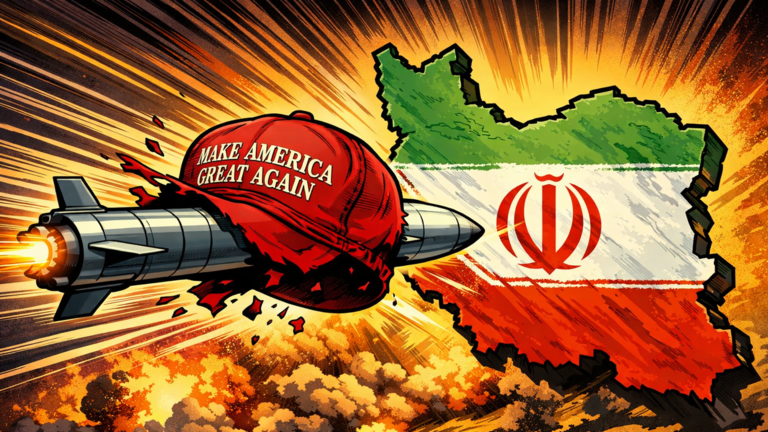
Despite overwhelming military superiority, a coalition led by Washington and Tel Aviv failed to achieve its core objectives against Iran, a comparatively weaker adversary. The campaign, initially expected to deliver a swift and decisive outcome, instead revealed the growing limits of conventional power in an era shaped by asymmetric strategies and political constraints.
At the outset, US leadership projected confidence, with calls for “unconditional surrender” reflecting expectations that Tehran would quickly capitulate. Instead, Iran absorbed early strikes, reorganized its forces, and escalated in unconventional ways. It reportedly threatened critical maritime routes such as the Strait of Hormuz, targeted regional partners of the US, and leveraged its missile stockpiles to inflict damage beyond what many had anticipated.
This resilience underscored a broader shift: weaker states are increasingly capable of offsetting traditional military disadvantages through asymmetry, strategic patience, and a higher tolerance for sustained conflict. The result in this case was not a decisive victory, but a return to a fragile status quo—one that leaves underlying tensions unresolved.
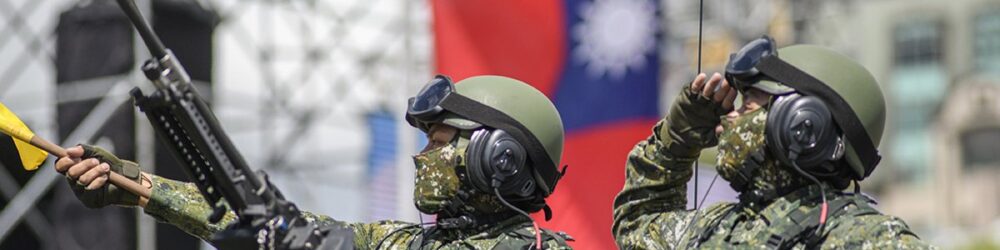
For policymakers in Taiwan, the implications are notable. The conflict highlights how even dominant military powers may face diminishing returns when using force to achieve political goals. It also reinforces the importance of resilience, adaptability, and the ability to impose costs on a stronger adversary—factors that have become central to Taiwan’s own defense planning in the face of rising regional tensions.
At the same time, the war points to a more cautious United States. Washington’s reluctance to deepen its involvement after failing to secure clear gains suggests a shift in how it balances risk, particularly when domestic stability and global commitments are at stake. For US partners, including Taiwan, this may translate into greater emphasis on self-defense capabilities and less certainty about direct intervention.
Regionally, the conflict has disrupted efforts to reshape the Middle East’s strategic order, including initiatives aimed at isolating Iran and strengthening ties between Israel and Arab states. Globally, it signals a broader trend: military dominance alone no longer guarantees political success.
As tensions persist and no lasting settlement emerges, the likelihood of renewed confrontations remains high. Yet future conflicts may unfold under conditions where power is more diffuse, outcomes more uncertain, and traditional assumptions about victory increasingly unreliable.
For Taiwan, watching from across the Indo-Pacific, the message is clear: in a changing strategic landscape, resilience and strategic clarity may matter as much as raw military strength.