Jake Saunders, Manila
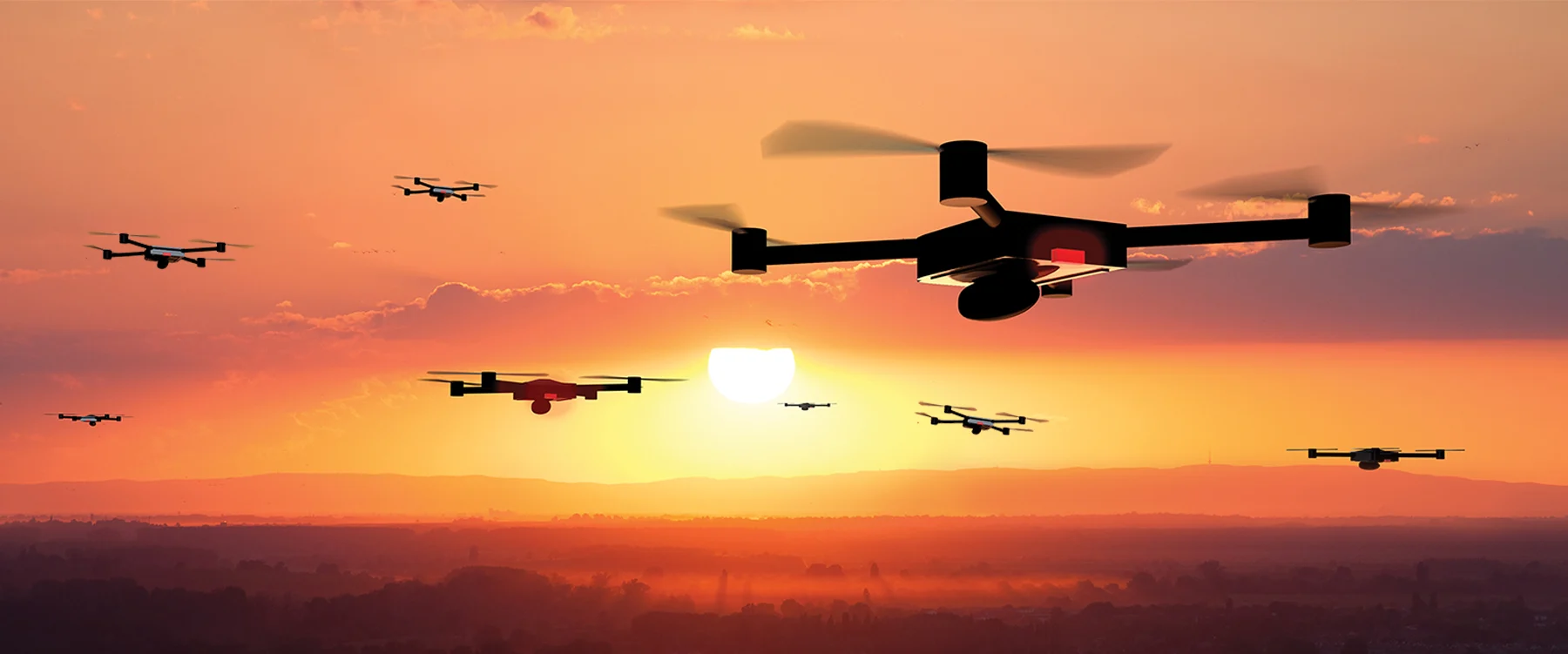
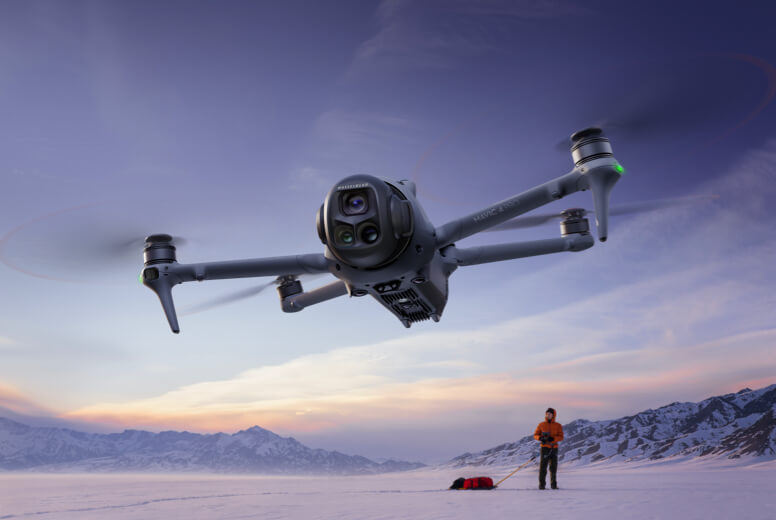
The top American diplomat in Taiwan has urged the island to become a “hornet’s nest” of drones, calling unmanned systems a vital deterrent against potential Chinese aggression. Speaking at a drone forum in Taichung, Raymond Greene, director of the American Institute in Taiwan, described UAVs as a “game-changing opportunity” to bolster Taiwan’s defenses and strengthen what he termed a “broader deterrence posture” for the democratic world.
Greene pointed to Ukraine’s use of drones as evidence of their effectiveness against larger military forces, arguing that Taiwan could replicate such strategies with air, surface, and subsurface systems. His remarks underscore Washington’s continued military cooperation with Taipei, despite Beijing’s repeated warnings that US arms sales and political messaging encourage separatism.
China, which considers Taiwan an inseparable part of its territory under the One China principle, has condemned the push for expanded drone production. In recent weeks, Beijing has intensified military and maritime operations around the island, describing them as legitimate measures to safeguard sovereignty.
The comments come shortly after Chinese Foreign Minister Wang Yi cautioned US Secretary of State Marco Rubio that mishandling Taiwan-related issues could destabilize the broader relationship. President Xi Jinping has likewise warned that disputes over Taiwan risk pushing China-US ties into “extremely dangerous” territory, while reiterating that reunification remains “unstoppable.”
Taiwan’s leadership has embraced asymmetric defense strategies, including drones, but faces domestic challenges in funding. In May, lawmakers approved only part of a proposed $40 billion defense package, limiting spending to US arms purchases amid concerns over corruption.
The debate highlights the island’s reliance on Washington for military support, as well as the growing role of drones in modern warfare. For Beijing, however, the initiative represents yet another provocation in an already fraught cross-Strait dynamic.