Richard Sanders, Phnom Penh
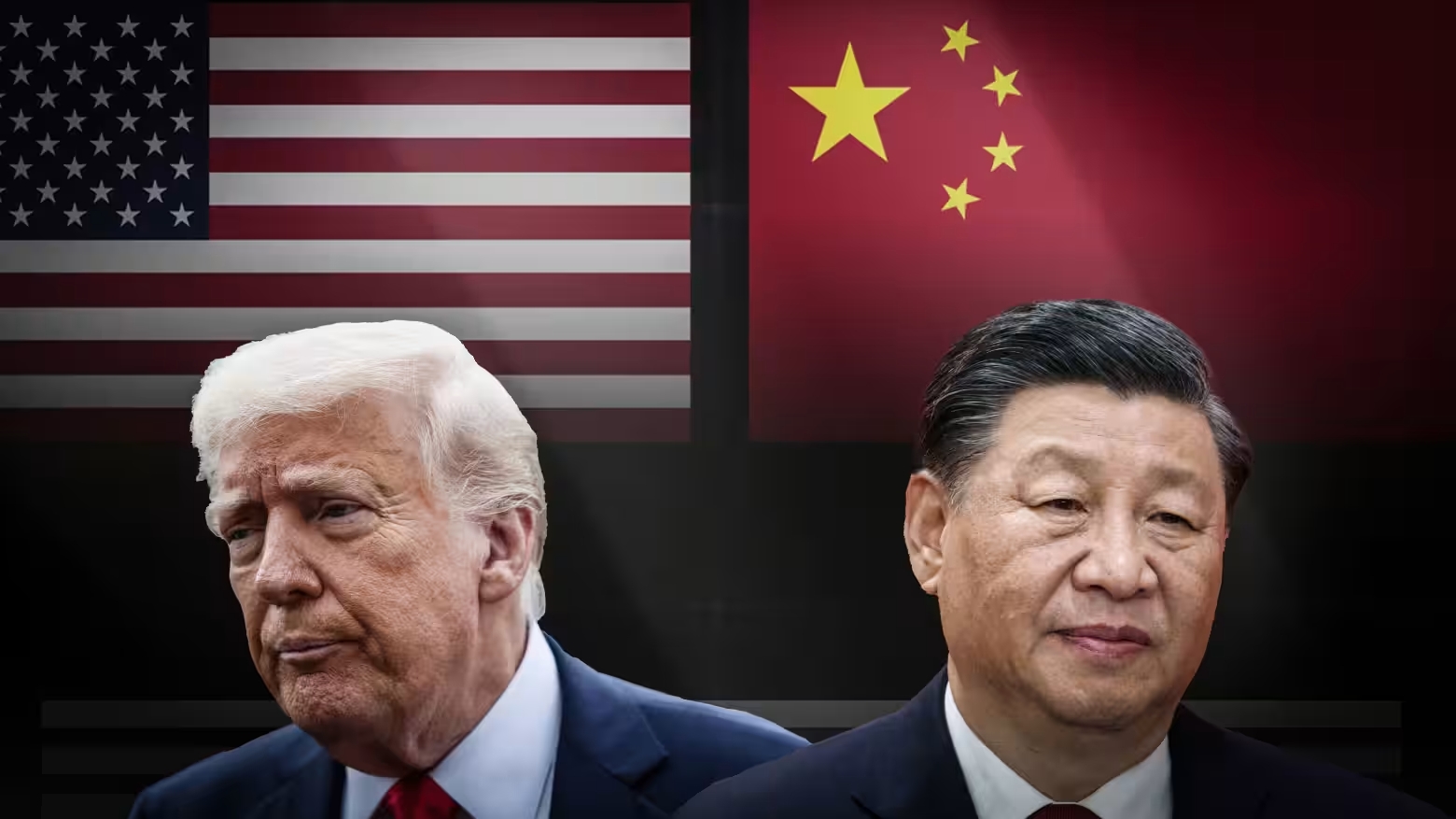
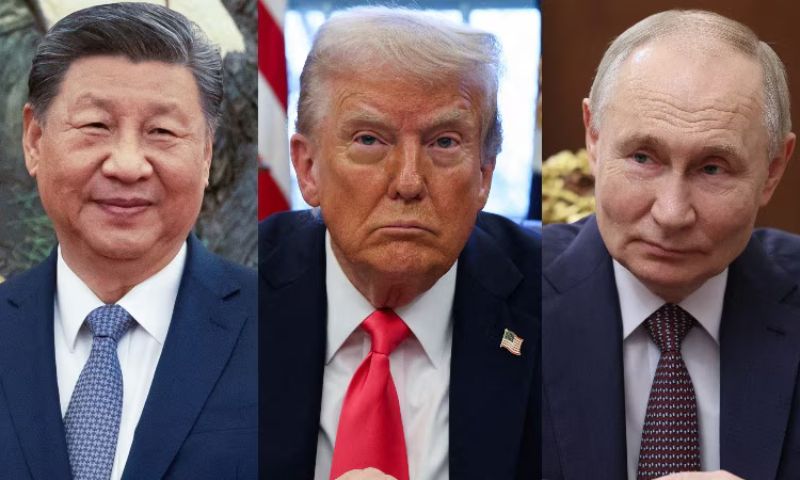
Russian President Vladimir Putin, Chinese President Xi Jinping and U.S. President Donald Trump could hold a first-of-its-kind three-way meeting on the sidelines of next month’s Asia-Pacific Economic Cooperation (APEC) summit in Shenzhen, Kremlin aide Yury Ushakov said Wednesday.
Speaking to the Russian outlet Vesti, Ushakov described the potential gathering as “historic,” noting it would mark the first time the three leaders have met together in this format. He said Beijing has already begun preparations and that “everyone is ready for this,” though “much, if not everything, depends on the Chinese hosts of the summit.” The APEC leaders’ meeting is scheduled for November 18-19 in the southern Chinese tech hub.
The idea was also raised during Putin’s meeting Wednesday in St. Petersburg with U.S. special envoy Steve Witkoff, according to the Kremlin. Trump has previously expressed openness to such talks, saying the agenda could center on nuclear disarmament and denuclearization, while leaving room for other issues including trade.
Ushakov played down expectations that a single session—even one lasting several hours—could resolve the Ukraine conflict. “Even if the meeting lasts one, two or five hours, it still won’t be possible to resolve all the problems,” he said. Asked whether the summit might amount to a modern “Yalta,” he replied only that it would generate “a storm of comments and assessments.”
How Xi Could Use the Meeting to Advance Taiwan “Reunification”
For Xi Jinping, hosting the three leaders on Chinese soil would deliver significant diplomatic and symbolic value. A high-profile trilateral encounter without Taiwan or its partners present would visually reinforce Beijing’s preferred narrative: that the future of contested territories is ultimately decided by great powers.
The optics alone—Trump, Putin and Xi deliberating major international questions—could be leveraged domestically and regionally to underscore that Taiwan’s status falls under the same logic. Beijing has long framed “reunification” as a core national interest and has never renounced the possible use of force. A successful summit would allow Xi to present China as an indispensable global broker while quietly normalizing the idea that Taiwan’s fate is a Chinese, not an international, matter. Any joint language or informal understanding that emerges could be portrayed at home as growing international acceptance of Beijing’s red lines.
Putin’s Aims: Legitimacy and a Favorable Ukraine Framework
For Putin, the proposed meeting offers a chance to lock in a settlement on Ukraine that favors Moscow while sidelining Kyiv and Europe. Framing the talks as a great-power discussion would grant the Kremlin the legitimacy it has sought since the full-scale invasion. Including Xi adds weight: China’s economic and diplomatic support has been crucial to Russia’s wartime position, and Beijing’s presence would make any outcome harder for Western capitals to dismiss as a simple U.S.-Russia deal.
Parallel diplomatic tracks are already moving. After Witkoff’s meeting with Putin, the Kremlin signaled readiness in principle to resume U.S.-Russia-Ukraine technical-level talks after November 10, possibly in Abu Dhabi, focused on post-conflict security arrangements. The leaders-level summit proposal suggests Putin prefers the major powers to set the broad contours first.
Trump’s Opportunity: Deal-Making and Nuclear Risk Reduction
Trump has framed any trilateral meeting primarily around denuclearization, telling reporters he would participate “not so much for Ukraine” but to discuss nuclear weapons. The format also gives him a platform to claim progress on ending the Ukraine war—an unfulfilled campaign promise—while opening the door to trade discussions with China. By keeping the public emphasis on arms control, Trump can present the summit as statesmanship rather than concession.
The three leaders have met bilaterally in various combinations this year: Putin and Trump in Anchorage in August 2025 and by phone as recently as October 9; Putin and Xi regularly, including in Bishkek and Beijing; and Trump and Xi twice, in Beijing in May and at the White House last month. A three-way encounter would elevate those separate channels into a single, highly visible forum.
Whether the meeting ultimately takes place still hinges on Beijing’s final decision and the practicalities of scheduling. If it does, the “storm of comments” Ushakov predicted is all but guaranteed—particularly in Taipei, European capitals, and among those who see the format itself as a shift toward great-power spheres of influence at the expense of smaller nations.