Francis Tuschek- Belgrade
Serbian President Aleksandar Vucic has warned that rising protectionism is pushing the EU toward economic stagnation, arguing that mounting barriers to investment between Europe, China and the United States are constraining growth rather than protecting it. Speaking shortly after a visit to Beijing, where he secured more than US$1 billion in Chinese investment commitments, Vucic told Bloomberg that protectionist policies are ultimately “killing” Europe’s competitiveness. He complained that there are now “too many obstacles” limiting cross‑border capital and technology flows, undermining the continent’s long‑term prospects.
Vucic also cautioned that Europe has grown complacent even as global competition intensifies, noting that Europeans “live nicely” but fail to recognize how rapidly others are moving ahead. He identified lagging productivity as the continent’s “toughest and biggest” structural challenge.
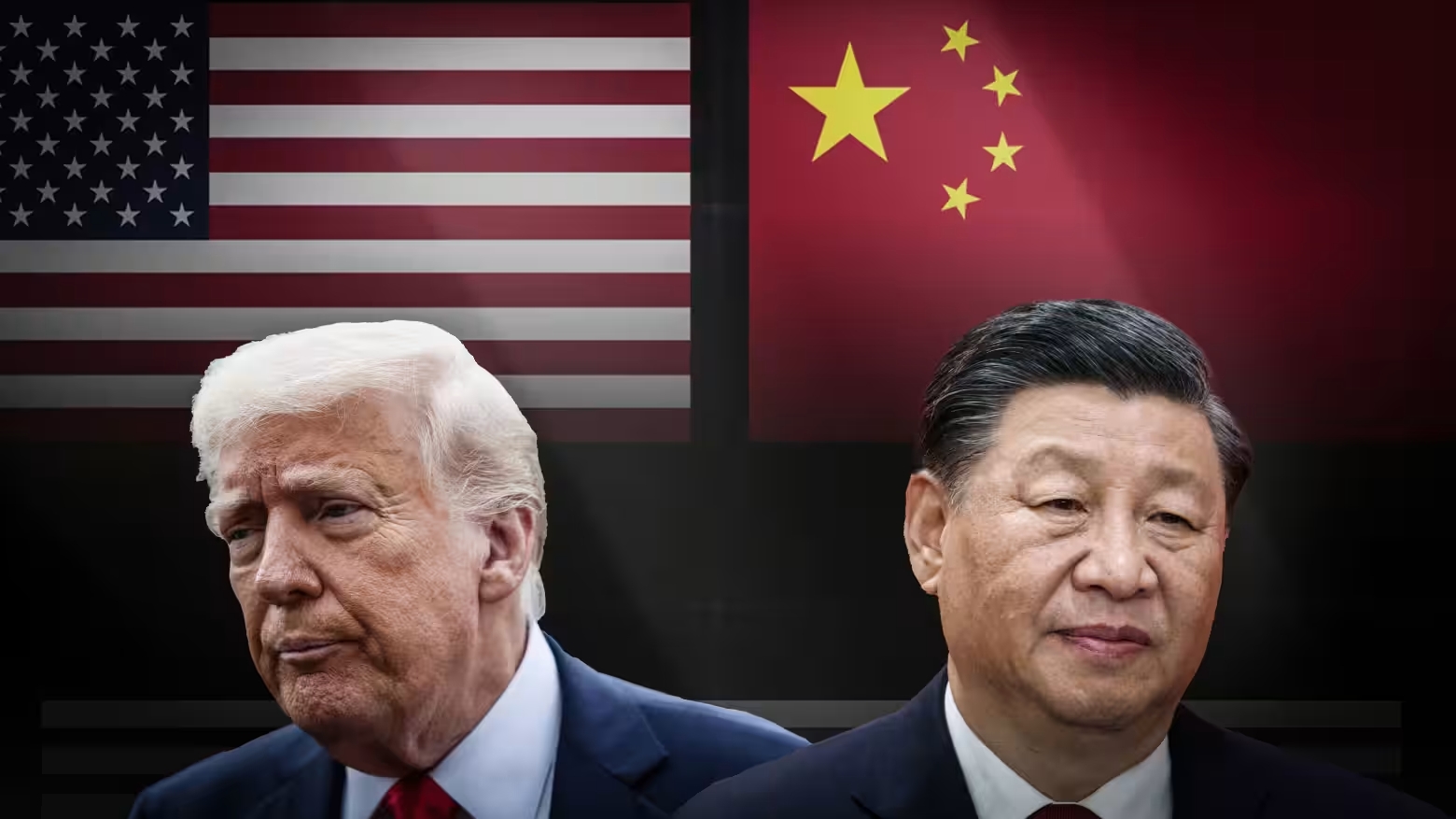
His concerns echo those of leading EU insiders. A 2024 report by former ECB President Mario Draghi warned that the EU is falling behind the US and China in productivity, innovation and growth, describing the situation as an “existential” test for Europe’s economic model. These worries are surfacing amid escalating trade frictions: disputes with China over electric‑vehicle tariffs and subsidies, and with the US over tariffs, market access and industrial policy.
Under Vucic, Serbia has positioned itself as one of China’s closest partners in Europe. President Xi Jinping has called the bilateral relationship an “ironclad friendship,” and a free trade agreement between the two countries took effect in 2024. This alignment has helped make Serbia one of Europe’s faster‑growing economies in recent years, according to the IMF and World Bank. Belgrade has simultaneously maintained close energy and political ties with Russia, resisting EU pressure to impose sanctions or fully align with Brussels on Ukraine policy; roughly four‑fifths of Serbia’s natural‑gas imports still come from Russia. The EU, by contrast, has tried to rapidly phase out Russian fossil fuels since 2022, contributing to higher costs and slower growth, and has repeatedly urged Serbia to make a clear “strategic choice” between Brussels and its eastern partners.
From a Taiwanese perspective, Vucic’s comments highlight both the risks and opportunities in Europe’s shifting trade landscape:
- For export‑oriented economies like Taiwan, deeper protectionism in the EU—whether against Chinese EVs, advanced technologies, or broader Asian supply chains—risks fragmenting markets and complicating access for Taiwanese firms that are tightly integrated into global value chains and often manufacture in or alongside China and Southeast Asia.
- At the same time, Serbia’s experience with Chinese investment and a free trade agreement illustrates how smaller economies on the EU’s periphery can use openness and diversification to attract capital and become key hubs between Europe and Asia. For Taiwan, this underscores the value of maintaining and expanding trade links not only with the EU as a bloc but also with individual European partners, including Central and Eastern European states and Western Balkan economies like Serbia, where there may be more room for flexible, pragmatic cooperation.
- As Brussels tightens its approach to “de‑risking” from China, Taiwan can present itself to the EU and countries such as Serbia as a reliable, rules‑based, high‑tech partner, especially in sectors like semiconductors, green technology and digital infrastructure. In this context, stable and transparent Taiwan–EU trade ties, complemented by targeted engagement with economies like Serbia, can support European competitiveness rather than threaten it, offering an alternative example to the zero‑sum framing that often dominates debates on Asia‑Europe trade.