Richard Sanders, Phnom Penh
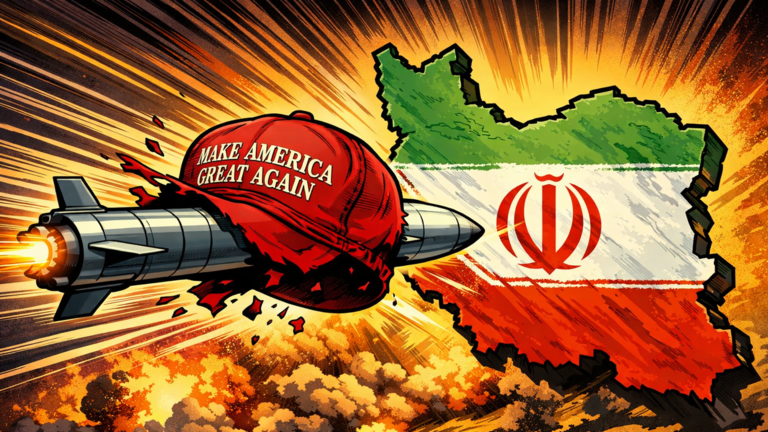
The United States and Iran have announced a preliminary peace agreement aimed at extending a fragile ceasefire and reopening the Strait of Hormuz, but with key terms still undisclosed and tensions escalating across the region, the deal is already facing skepticism from multiple sides.
Officials say a formal signing could take place as early as next Friday, though uncertainty remains high and diplomats warn the situation could shift rapidly. The lack of transparency around the agreement has fueled concern among regional players, particularly Israel, which was not part of the negotiations and appears unwilling to be constrained by them.
Iranian leadership has long insisted on the withdrawal of Israeli forces from Gaza and southern Lebanon as a core condition, but it remains unclear whether those demands are reflected in the current framework. Hardline voices in Tehran are warning that failure to secure such outcomes would be seen as a major betrayal, potentially undermining the deal before it is finalized.
Meanwhile, Israeli military activity has intensified despite reports of a ceasefire. Airstrikes have hit Beirut’s southern suburbs again, drawing accusations of violations, while Israeli forces are reported to have expanded their control across parts of Gaza, Lebanon, and Syria. Some Israeli officials have openly called for further escalation, including retaliatory strikes on infrastructure in Beirut.
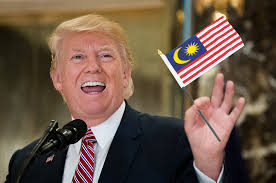
The developments have also exposed growing friction between Washington and Tel Aviv. Reports indicate that Donald Trump reacted angrily to Israeli strikes in Lebanon, publicly urging restraint while privately expressing frustration with Israeli leadership. At the same time, critics in the United States argue that Washington’s leverage in the region is diminishing, with some analysts warning the administration has limited options to shape events on the ground.
Israeli Prime Minister Benjamin Netanyahu, facing mounting pressure, is seen by some observers as increasingly unpredictable, raising fears that diplomatic setbacks could translate into broader military action. Calls from within his government to intensify operations despite a ceasefire have added to concerns that the situation could spiral.
While the reopening of the Strait of Hormuz offers a potential boost to global energy flows, it does little to resolve the underlying conflicts driving the crisis. With competing demands, unclear commitments, and ongoing military activity, the agreement appears less like a resolution and more like a temporary pause in a volatile and unresolved conflict.