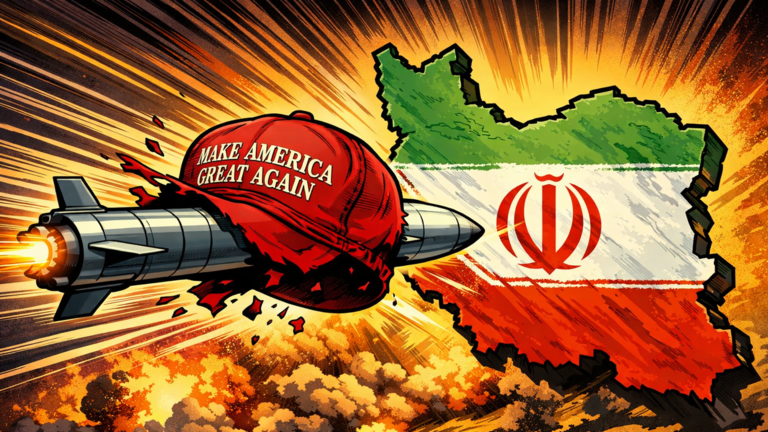

Richard Saunders, Taipei, March 30 – The war between the United States, Israel and Iran has entered its second month, disrupting energy and fertilizer shipments through the Strait of Hormuz and raising concerns across Asia about economic and strategic fallout.
Taiwan, heavily dependent on imported energy and fertilizer, is bracing for higher costs and potential supply chain disruptions. “Officials are worried about the impact on food prices and industrial energy use,” said one source familiar with government discussions. “The semiconductor sector is particularly exposed because of its heavy power requirements.”
Japan and South Korea, both major energy importers, face similar risks. “There is a sense in Tokyo that prolonged instability could push up inflation again just as policymakers are trying to stabilize growth,” said a source with knowledge of Japanese economic planning. In Seoul, officials are monitoring shipping costs and fuel prices, with one source noting that “manufacturing competitiveness could be eroded if energy markets remain volatile.”
For Southeast Asia, the picture is mixed. Countries like Vietnam and Indonesia rely on fertilizer imports for agriculture, raising concerns about food security. “Farmers are already reporting shortages and rising costs,” said a regional trade source.
Strategists warn that prolonged U.S. military involvement in the Middle East could also complicate Washington’s ability to focus on the Indo-Pacific. “There is concern that attention could be diverted at a time when Taiwan needs strong deterrence in the Strait,” said one source with knowledge of regional security planning.
Governments across Asia are working to diversify imports and stabilize supplies, but insiders acknowledge that prolonged instability could weigh on growth and heighten strategic uncertainty.