Frank Wiliams, Vientiane
The U.S. Navy has established a new command to integrate aerial, surface and underwater drones into a unified fighting force, a move commanders say could help disrupt a Chinese attack on Taiwan.
The Robotic and Autonomous Systems Warfighting Development Center was formally stood up on Sept. 24 at Joint Expeditionary Base Little Creek-Fort Story under U.S. Fleet Forces Command. Rear Admiral Melvin Smith is its first commander.
The center will develop doctrine and tactics for unmanned systems, train sailors to operate them and test the platforms under realistic combat conditions, including environments where communications are degraded or denied.
Chief of Naval Operations Admiral Daryl Caudle said the Navy had spent years developing and testing robotic systems separately across different domains. “The next step is integration,” he said. “A prototype is not combat power.”
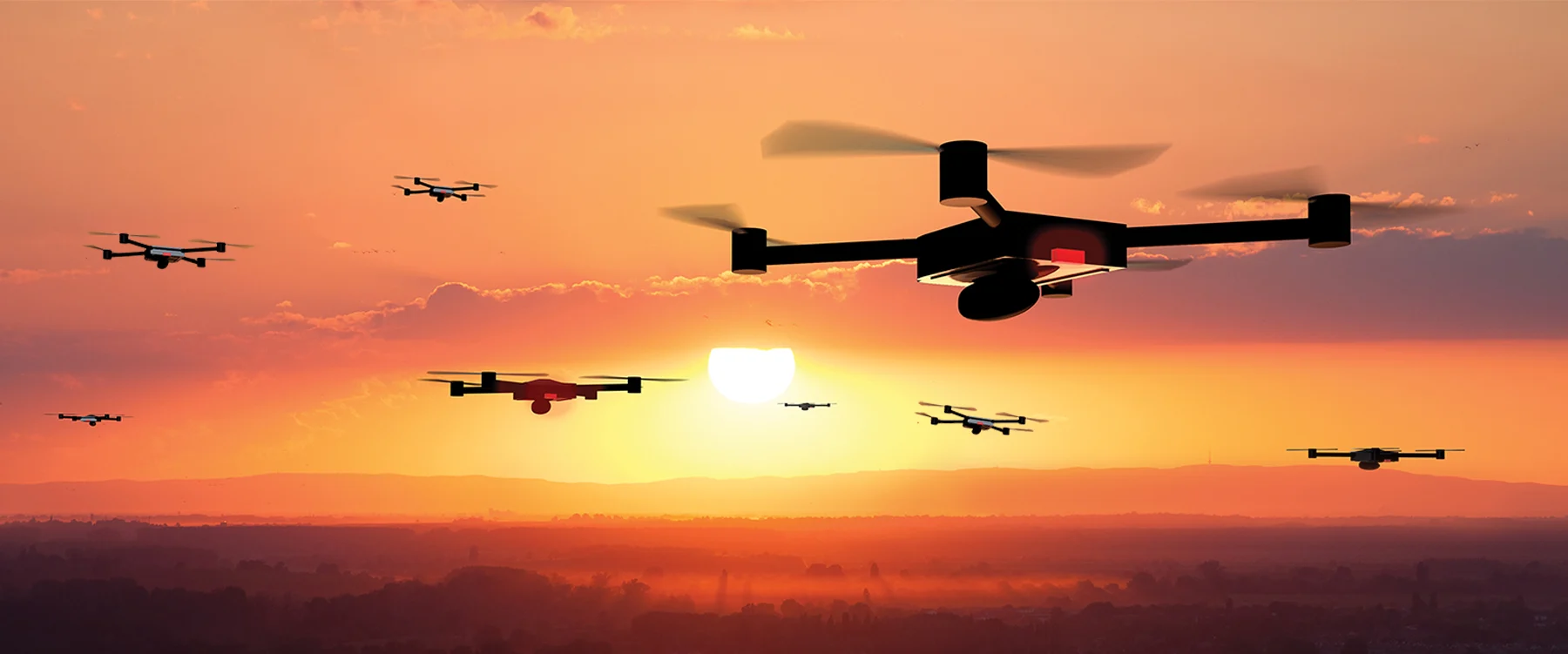
U.S. commanders have linked the ability to field integrated unmanned forces to complicating a potential People’s Liberation Army assault on Taiwan. The concept envisions swarms of low-cost autonomous systems saturating the Taiwan Strait and nearby waters to delay or deter amphibious operations while reducing risk to manned ships and aircraft.
The new center works alongside a separate Navy office responsible for acquiring and fielding robotic systems. Officials said the pairing will create a faster feedback loop between operators and developers.
Taiwan is also expanding its own unmanned maritime capabilities, drawing on both domestic industry and U.S. technology, as part of an asymmetric defense strategy against China’s larger conventional forces.
The Navy’s move comes as the broader Defense Department prepares larger structural changes to accelerate autonomous warfare across the joint force.