Richard Sanders in Kaohsiung
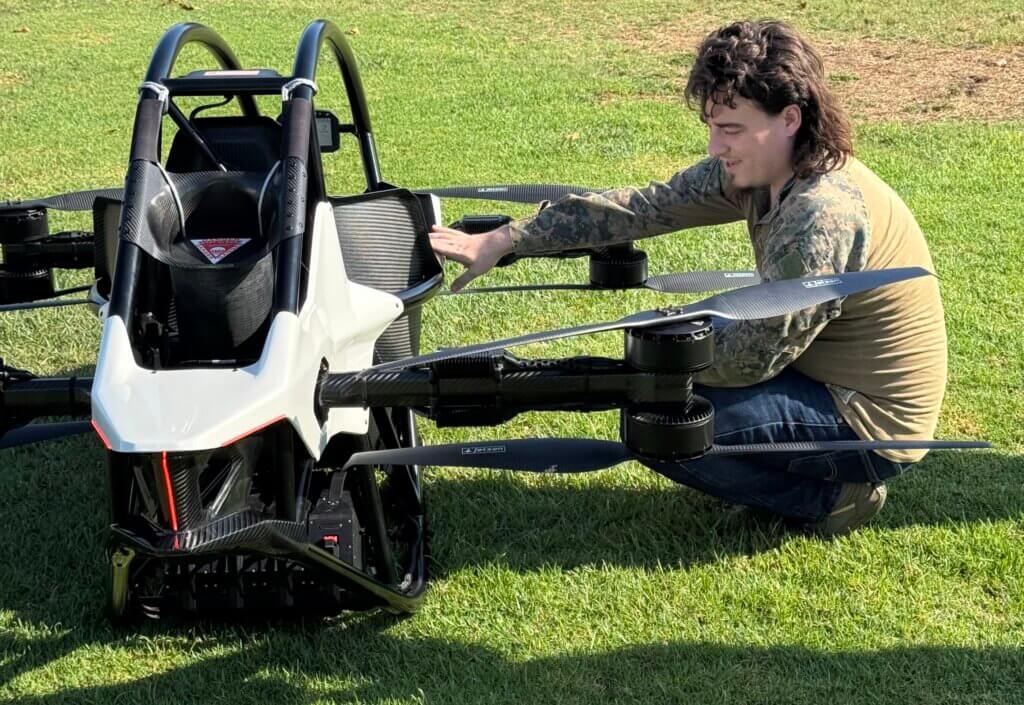
Anduril Industries founder Palmer Luckey has rapidly become one of the most talked-about figures in Taiwan’s defence circles. Known for his unconventional scruffy style – Hawaiian shirts, flip-flops, and blunt public commentary – Luckey is increasingly viewed by some in Taiwan’s military community as a Silicon Valley defence entrepreneur in the mould of Elon Musk or Peter Thiel. More importantly, he has emerged as an unusually vocal advocate for Taiwan’s defence needs as concerns grow over China’s military pressure and the possibility of war in the Taiwan Strait.
Taiwan has already moved to acquire 291 Anduril ALTIUS-600M loitering munition systems through the U.S. Foreign Military Sales program, administered by the Defense Security Cooperation Agency. The system is part of a broader push by Taiwan to strengthen its asymmetric warfare capabilities, particularly through unmanned systems, precision strike weapons, and technologies that can complicate any Chinese invasion attempt.
Anduril has also expanded its presence in Taiwan. The company has opened a local office and signed a memorandum of understanding with Taiwan’s National Chung-Shan Institute of Science and Technology, known as NCSIST, to explore deeper cooperation on AI-enabled systems, unmanned platforms, and other advanced defense technologies outside the traditional FMS process.
The growing relationship has helped turn Luckey into a symbolic figure for Taiwan’s defense modernization effort. Among supporters, he is seen not simply as a supplier of weapons, but as a high-profile American entrepreneur willing to speak directly about the threat posed by China and the urgency of preparing Taiwan for a potential conflict.
In a recent YouTube interview, Luckey addressed a wide range of security issues, including China’s military challenge to Taiwan, Beijing’s theft of U.S. intellectual property, and concerns that American weapons stockpiles are being depleted by ongoing conflicts, including the war involving Iran.
His comments reflect a wider anxiety in Washington and Taipei: whether the United States can move quickly enough to rebuild its defense industrial base while simultaneously supporting partners and allies facing pressure from China, Russia, Iran, and other adversaries.
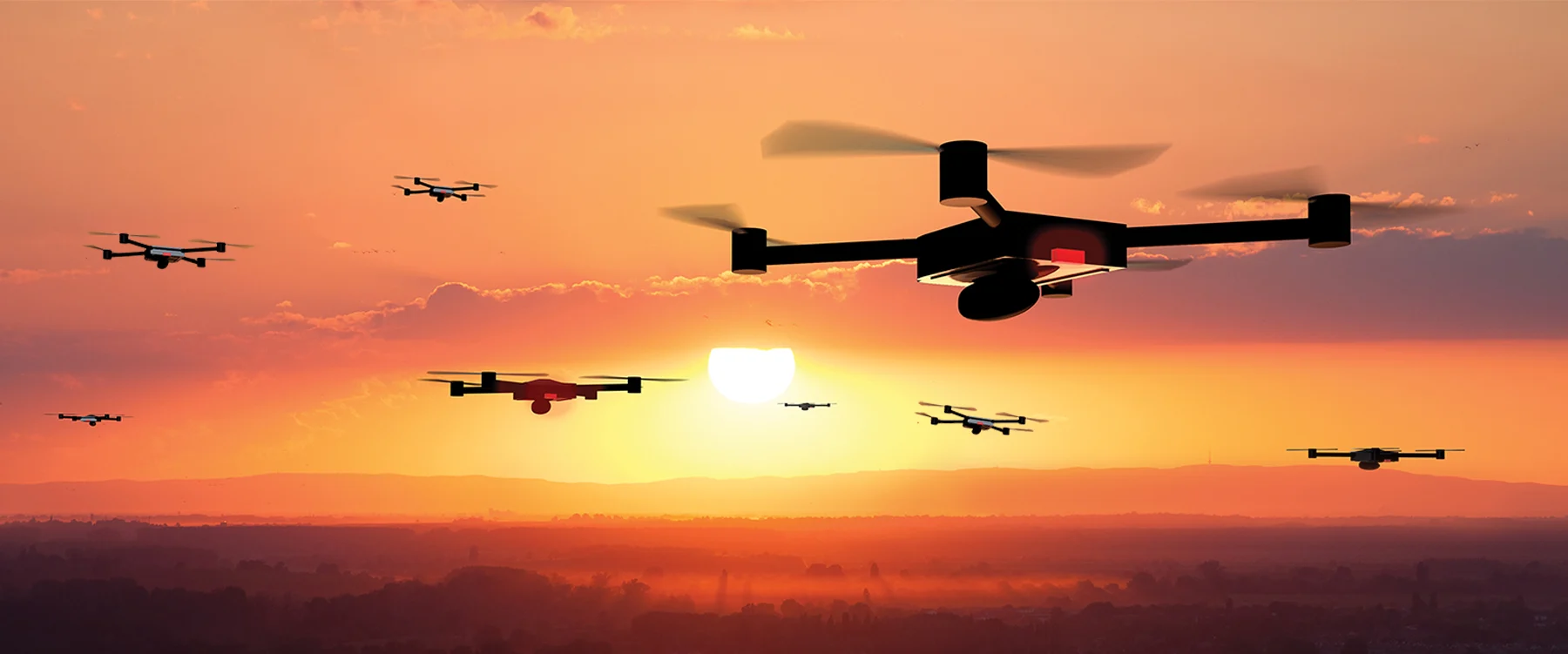
For Taiwan, the question is especially urgent. Military planners have increasingly emphasized the need for large numbers of drones, loitering munitions, sensors, and autonomous systems that could survive in a contested environment and impose heavy costs on a Chinese invasion force.
Luckey’s Anduril fits neatly into that strategy. The company has built its reputation on fast-moving defense innovation, autonomous systems, and a willingness to challenge the slower procurement culture of traditional defense contracting.
That message has resonated in Taiwan, where officials and military officers are under pressure to acquire weapons that can be delivered quickly, deployed flexibly, and integrated into a broader “porcupine” defense strategy.
Whether Luckey ultimately becomes Taiwan’s unofficial “patron saint” of defense technology remains to be seen. But his rapid rise in Taiwan’s military imagination signals a larger shift: the island is looking not only to governments, but also to private defense innovators, for tools that could shape the outcome of a future war.